Why Your Child Hits a Wall and How to Help
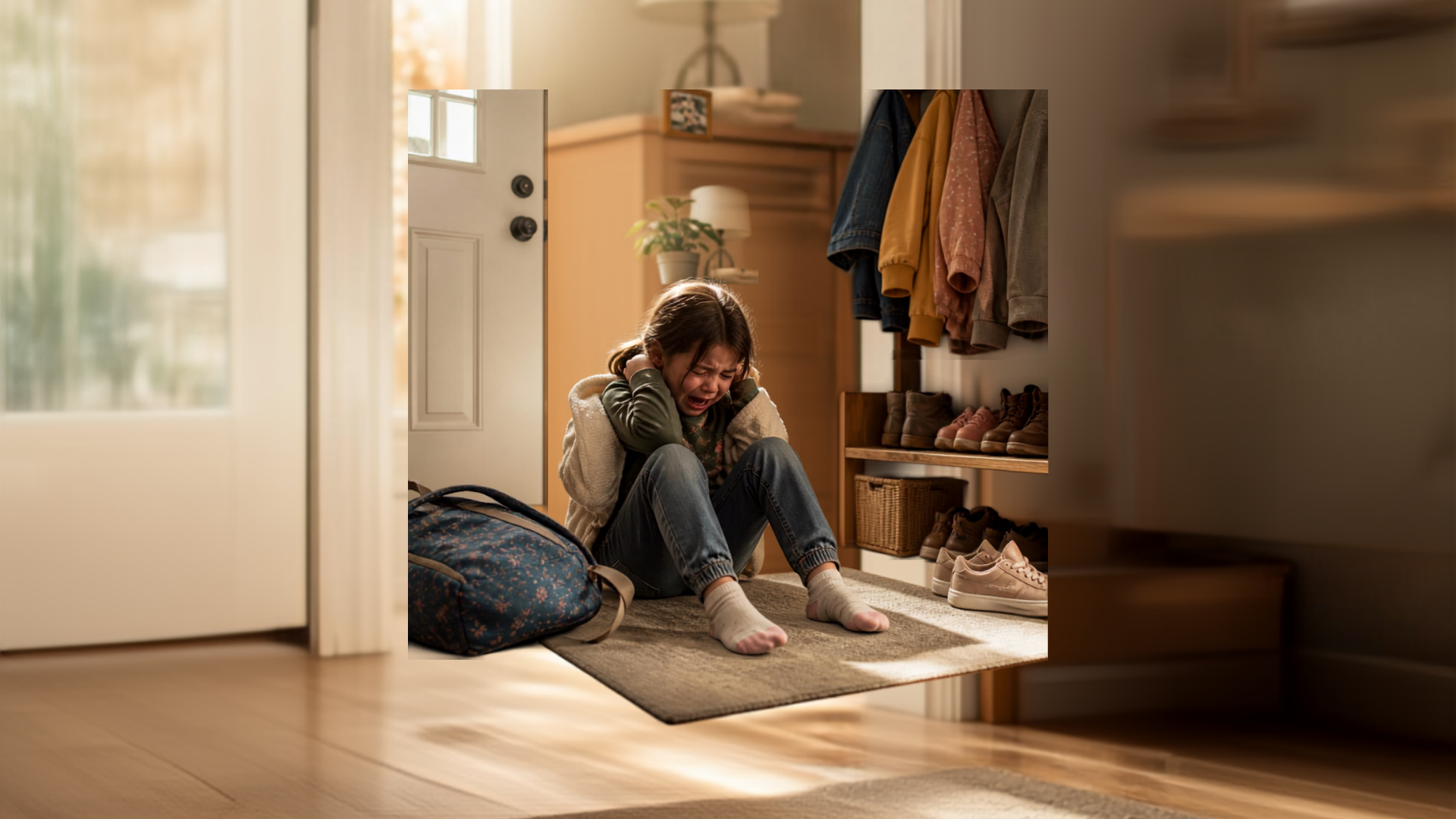
Every afternoon, parents across the country witness a familiar scene: your child walks through the front door, kicks off their shoes, and within minutes, bursts into tears or experiences an intense emotional meltdown over something seemingly minor.
If this happens in your household, you are not alone—and your child isn't just being "difficult." What you are witnessing is a common phenomenon often referred to as restraint collapse.
What’s Draining Their Battery During the School Day?
To understand why meltdowns happen at home, it helps to look at what a child’s nervous system experiences throughout the school day:
High Executive Function Demands: Following multi-step directions, staying organized, transitioning between subjects, and managing time require continuous brain effort.
- Sensory Overload: Bright fluorescent lights, noisy hallways, crowded cafeterias, and constant background chatter can exhaust a child’s sensory processing system.
- Physical Restraint: Sitting still at a desk for hours goes against a child's natural urge to move, creating physical tension.
- Social & Emotional Regulation: Children work tirelessly all day to suppress impulses, listen attentively, and navigate peer interactions.
By the time the final bell rings, your child’s emotional and cognitive "battery" is completely drained. Home is their safest space, which means it’s where they finally feel secure enough to let down their guard and release built-up stress.
Why Good Grades Don't Tell the Whole Story
Many parents tell us, "Their teacher says they are doing great in class, so why are things so hard at home?"
Bright, capable children are often experts at compensating for underlying struggles with focus, executive function, or sensory processing during school hours. However, keeping up appearances takes immense neural energy. A child may earn top marks academically while simultaneously burning through every reserve of self-regulation they possess.
Practical Strategies to Help Your Child Reset at Home
Rather than immediately jumping into homework or asking a barrage of questions about their day, try creating a supportive landing zone after school:
- Give Them a "Decompression Zone": Allow 20–30 minutes of quiet, unscheduled time when they first get home. Avoid asking about homework, tests, or chores right away.
- Offer a Protein-Rich Snack & Hydration: Low blood sugar amplifies emotional volatility. Provide a nourishing snack and water as soon as school ends.
- Incorporate Movement and Sensory Reset: Physical movement is one of the fastest ways to shift a brain state. Encourage outdoor play, jumping on a trampoline, heavy work (like carrying grocery bags), or cross-body movements (like touching opposite hand to knee).
- Focus on Co-Regulation: When big emotions erupt, your calm presence acts as an anchor. Speak softly, lower expectations for immediate conversation, and let them know you are there to support them.
Looking Deeper: When to Seek Additional Support
While occasional after-school meltdowns are normal during transitions, persistent daily breakdowns, severe anxiety, or intense homework battles may indicate that underlying brain connections need strengthening.
At Brain Balance of Wilmington, we look beyond surface-level behaviors. Our drug-free, holistic approach engages the senses, moves the body, and trains the brain to strengthen foundational neural pathways—making focus, self-regulation, and learning easier from the bottom up.
Ready to Help Your Child Thrive?
Stop guessing and start identifying the root cause of the struggle. Contact Brain Balance of Wilmington today to schedule a Comprehensive Assessment and help your child build a strong foundation for school and home success.
Visit Brain Balance of Wilmington or call our local center at 302-650-1610 to learn more.