



Food Sensitivities, Dyes, and Antibiotics May Contribute to Behavioral Issues in Kids

What we eat impacts all of us, but when a child already struggles with maintaining attention and regulating mood and behaviors, food, and ingredients added to ultra-processed foods, can exacerbate symptoms, and amplify challenges. Kids with ADHD, autism, Sensory Processing Disorder, and other behavioral challenges often can benefit from simple diet changes. Many parents are asking what's the connection between nutrition and behavior, and what changes should I make now for my child? Learn more about the connection between daily nutrition and behavior below, and consider making the following three changes to impact brain health and performance for your family today!
3 Changes to Improve Diet and Behavior
Eliminate Food Dyes - After years of research and debate, the U.S. is finally moving forward with a phased plan to eliminate some artificial food dyes from our foods. The reason? Research has linked these food dyes with various health concerns, including behavioral, attentional, allergy and inflammatory-related concerns. This shift to eliminate food dyes is not indicating that the food dyes are causing attentional and behavioral issues, but they have been shown to negatively impact these areas. The plan, forcing food companies to make changes begins with requirements going into effect by the end of 2026 to phase out common food dyes including; red number 40, yellow number 5, 6, blue number 1 and 2, and green number 3.
Eliminating food dyes from your family's diet may be helpful for susceptible children, and some parents anecdotally report an immediate change for the better. Read more from one mom who, after eliminating artificial colors from her son's diet, said, "We saw amazing results at school, we saw amazing results in his attitude, he was happy; no more meltdowns at all." She is now petitioning a major U.S. candy manufacturer to stop using dyes altogether! While it took years, it is great to see progress in acknowledging the harmful effects these artificial food dyes can have, and working with the food industry to make changes to benefit the health of everyone.
The more heavily processed the food, the more likely food dyes have been used. By focusing on eliminating artificial food dyes from what your family eats regularly will create a shift towards less highly processed foods. Focusing your daily nutrition around consuming as many whole, unprocessed foods as possible, provides your body with nutrients in a form that is often easier to digest, and absorb the nutrients in the food.
Reducing Added Sugars - Our taste buds and brain often crave a sweet treat, and while this can feel fun in the moment, the impact of sugar on brain health, attention, and behavior should not be ignored. Our brain requires fuel to function, and the foods we eat provide this fuel. Sugar is one way to provide this resource, however, sugar is a fast-burning fuel. There is an immediate burst in energy that comes from eating sugar - which can easily spike to a height that is beyond the level to help focus and performance, a level that can border on out of control. This can look like the child that is hyperactive after a sugary snack. At the peak of the sugar spike kids may struggle with attention and behavioral regulation. In fact, a pilot study showed that inhibitory control is impacted, which makes controlling actions harder. During this time, the brain is burning through it’s energy resources, and sugar burns quickly. When this fuel source is depleted, the brain will have a harder time being able to focus, blocking out distractions, and regulating mood and emotions. The result can be challenges with both the sugar spike, and crash, leaving a narrow window of control. Instead, prioritizing foods with fewer added sugars, that contain healthy carbohydrates, protein, and fiber still provides fuel for the brain, but in a format that is more stable and slow burning, reducing the peaks and valleys.
Similar to food dyes, added sugars do not cause ADHD or attentional challenges, but is another factor that can make consistent regulation more difficult, for everyone, with or without a diagnosis.
Sugar not only negatively impacts attention and behavior in the moment, but a meta-analysis of 77 studies summarizes consistent findings of negative long-term cognitive effects with sugar consumption. Cognitive skills include attention, response inhibition, memory, and processing - the abilities we need to learn, and interact with the environment and other people.
Reducing added sugars takes conscious effort and planning, and does not need to be done all at once. Starting with considering some family favorite products, and comparing them to other options can help guide you to find similar foods with fewer added sugars. A great place to start to reduce added sugars in kids is reading the labels on the juices, beverages, cereals, and snacks, like yogurt.
Adjusting to a few brand or product can take time. By encouraging your family to try a new food, or different brand of a food, then having them try that food again and again can help to build familiarity with the different, and healthier option.
Buy Organic Meat and Dairy - While switching to only organic foods may seem like a daunting task, we recommend taking small steps for your child's health and behavior. Non-organic meat and dairy contain antibiotics, and those antibiotics can have an impact on your gut and health. Research has tracked the impact of consuming meat and diary that contain antibiotics and how that specifically impacts the gut flora in your body. Gut flora aids in the digestion and absorption of nutrients and plays a critcial role in our immune system. When the gut flora is out of balance, an array of health challenges can arise. The research demonstrates a decrease in the diversity of gut flora as a result of indirectly consuming antibiotics, as well as an increased risk of overgrowth of harmful bacteria.
When the gut flora is out of balance there are strategies to help restore the balance including consuming pre and probiotic foods that help to encourage the growth of a diverse range of healthy flora.
Prebiotic foods help by feeding the existing flora in your system and include; garlic, onions, asparagus, bananas (especially slightly green), apples (with the skin), and flaxseed. Probiotics are foods that contain live, healthy bacteria, that help to populate your gut with the needed bactieras. Examples of probiotic foods include fermented foods and kefir, yogurt, kimchi, pickles, and fermented cheeses (gouda and cheddar if made with live cultures).
While taking high quality probiotics and eating certain foods like yogurt can help offset some of these changes in gut flora, consuming only organic meat and dairy is a great place to start to help your family avoid the over-use of antibiotics and transition to a more natural diet over time. Click here to learn more about the connection between gut flora and mental health.
While the link between diet and behavior is still being investigated, but parents can certainly make small changes today to improve the health of their entire family - impacting that day, as well as health in the future.
It's important to note that nutrition impacts brain health and performance in everyone, but if a child is already struggling with any challenges, food changes alone may not be enough. Addressing any underlying gaps in development, in addition to improving brain-healthy nutrition is a more comprehensive approach to long-term health and wellness.
About Balance 360 Nutrition
Balance 360 nutrition focuses on research-backed recommendations to optimize brain health, development and performance. By providing education and support around our pillars of nutrition we empower you to set a foundation of a brain-healthy lifestyle. Through one-on-one meetings with our nutrition experts we meet you where you are and help you set realistic, achievable goals to elevate your brain health.
Our primary areas of focus consist of fuel, hydration and reducing systemic inflammation. Fuel provides our bodies and brains the nutrients needed to function at an optimal level. Proper hydration affects every cell in our bodies. We work to identify and minimize common dietary drivers of inflammation including added sugars, ultra-processed foods, dyes and artificial sweeteners.

Enjoy These Related Articles:
Signs and Symptoms of ADHD
Recognizing ADHD Warning Signs in Kids
Related Articles
August 28, 2026
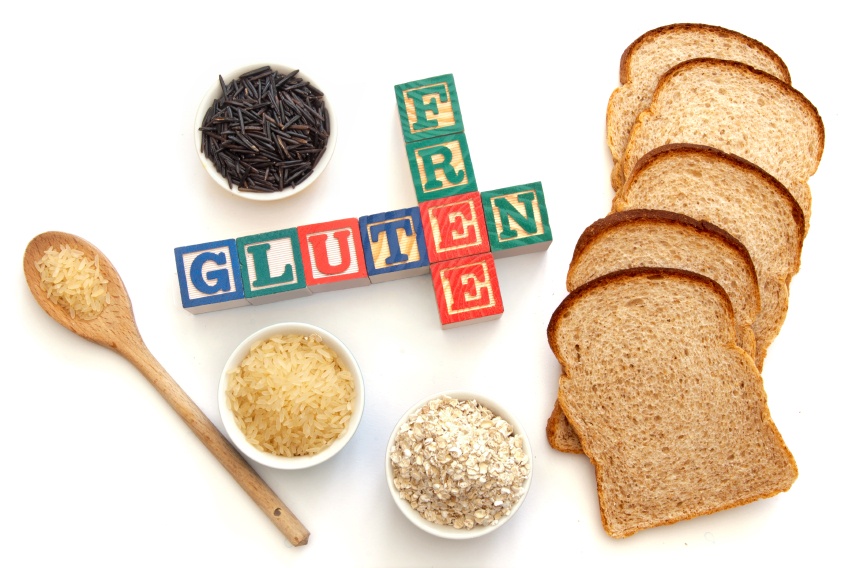
Tips for a Gluten-Free Lifestyle with Kids
Tips for a Gluten-Free Lifestyle With Kids Meta Description: Going gluten-free with kids? Get …

August 28, 2026
Drug-Free Programs for Children With Learning Disorders
There are many drug-free programs for children with learning disorders, including specialized …

August 18, 2026
When Tutoring Isn't Enough for Your Child
Why Tutoring Is Not Enough for Some Kids in 2026: A Parent's Guide to Knowing When Your Child Needs …