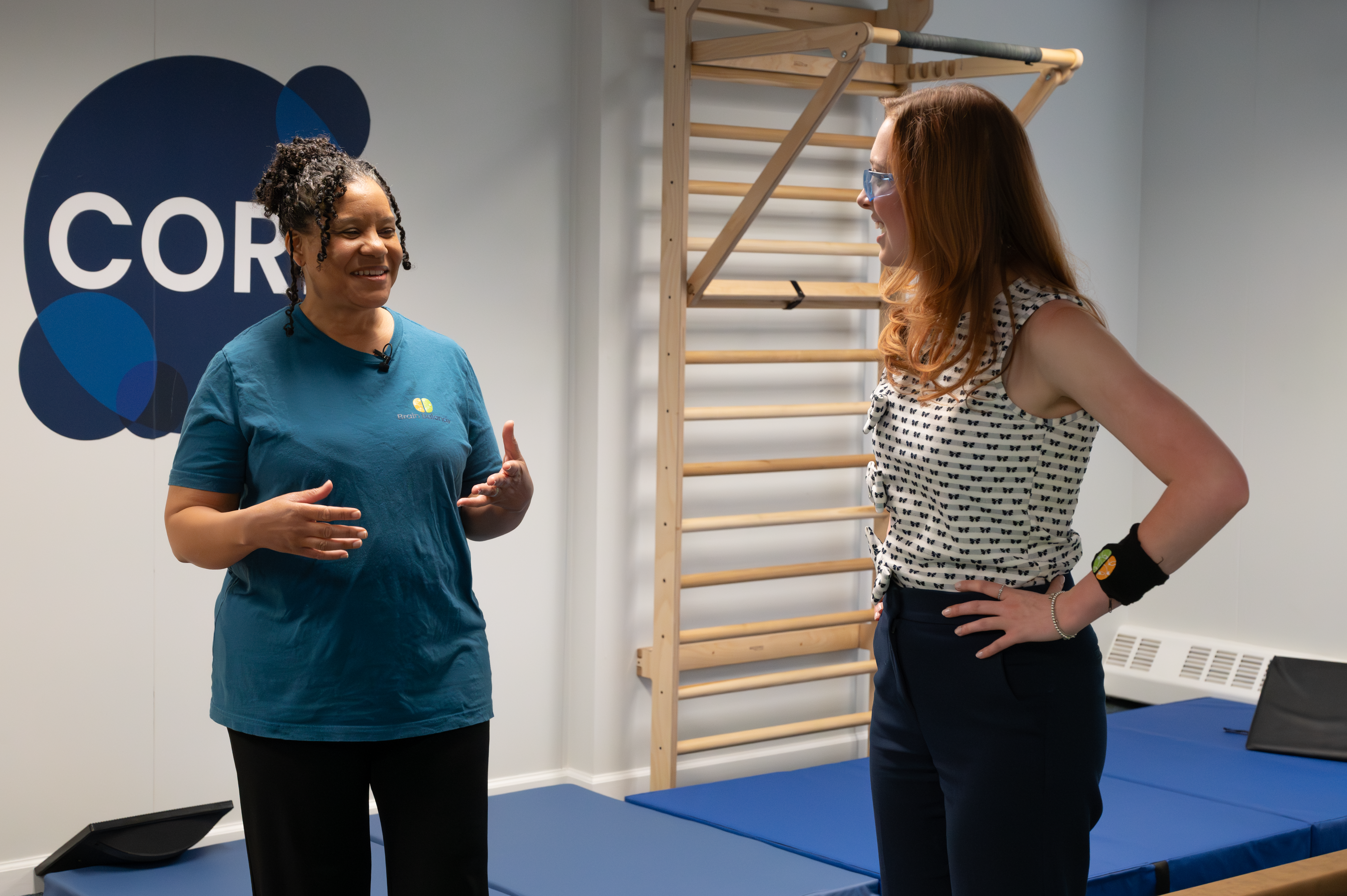
"It's time for society to acknowledge the spectrum of capabilities within autism." — Cynthia Kim
You may have heard the saying “Autism is a spectrum,” but you might not know what it actually means. Autism Spectrum Disorder (ASD) refers to the difference in how a person’s brain develops and processes the world around them. This affects how they communicate, socialize, and behave.
The word spectrum is used because Autism is not a one-size-fits-all condition. It is also not to be looked at as a linear gradient that goes from “mild” to “severe”, but instead as a color palette. Each person has unique, varying levels of traits as a vast mix of colors.
What are the Signs of Autism?
Some signs of autism can appear early, while others become more noticeable over time, and although every child develops at their own pace, it’s important to pay attention if something feels different. Early indicators may include differences in social interaction (like limited eye contact or not responding to their name), communication delays (such as reduced babbling, delayed speech, or difficulty expressing needs), and behavioral patterns (including repetitive movements, strong routines, or sensory sensitivities).
Children may also play differently, such as preferring to play alone or showing less interest in imitation or pretend play. Noticing one or two of these signs doesn’t necessarily mean a diagnosis, but recognizing patterns and seeking guidance early can open the door to helpful support. At Brain Balance, we focus on understanding each child as a whole and creating personalized programs that support development through targeted physical, sensory, and cognitive activities—helping families take proactive, supportive steps forward with clarity and confidence.
How Can Pediatrics Help?
As a pediatrician, the Brain Balance Center of Wayne, PA owner, Dr. Teresa Fuller, encourages parents to trust their instincts—if something doesn’t feel quite right, it’s always okay to seek guidance. Early screening for developmental differences, including autism, typically takes place between 18 and 24 months. Because there isn’t a single medical test, like a blood test, diagnosis is based on observation, developmental history, and professional evaluation. By around age two, an experienced clinician can often make a reliable diagnosis.
Pediatricians may use screening tools and ask detailed questions about social communication, behavior patterns, and developmental milestones to determine whether a full evaluation is needed. This process may involve a team of professionals, such as a pediatrician, psychologist, or speech therapist. Most importantly, a diagnosis is not a limitation—it’s a starting point for understanding your child and accessing the right support.
At Brain Balance, we build on that foundation by taking a comprehensive, whole-child approach. Our assessments go beyond identifying challenges—we look at how different areas of the brain and body are functioning together. From there, we create a personalized plan using targeted physical, sensory, and cognitive activities designed to strengthen connections and support development. Our goal is to help families move forward with clarity, confidence, and a clear path for progress.
How Brain Balance Can Help with Everyday Life
The goal is not to overlook challenges, but to start with your child’s strengths, understand their unique needs, and provide support that helps them thrive. Children with Autism Spectrum Disorder experience the world in distinct ways, which can bring both challenges and remarkable abilities.
When people hear “autism,” they often focus on limitations—but it’s equally important to recognize strengths, such as attention to detail, creativity, strong memory, or deep passion for specific interests. These qualities make each child unique and valuable.
Some children may also face additional needs, including attention difficulties (like ADHD), anxiety, or sleep challenges. With the right tools, strategies, and support, these can be managed effectively.
At Brain Balance, we help families address both strengths and challenges through a personalized, whole-child approach. Our program combines targeted physical, sensory, and cognitive activities to support skill development, enhance focus, improve behavior, and build confidence. By integrating structure, predictability, and individualized guidance, we help children feel supported and families feel empowered—understanding that progress is a journey, not always a straight line.
Supporting Your Child and Your Family
Here are some practical and meaningful ways to support your child each day:
-
Communicate clearly and consistently
-
Establish predictable routines whenever possible
-
Give advance notice and preparation for changes
-
Celebrate even small milestones and progress
-
Follow your child’s interests to foster connection and learning
-
Practice patience and flexibility—what works one day may not work the next, and that’s completely normal
For families, connecting with others who share similar experiences can be invaluable. It provides a safe space to ask questions, share concerns, and learn from one another’s insights and strategies.
Looking Ahead
Children with autism can grow, learn, and thrive—each on their own unique path. Success may not always follow a typical timeline, but every step forward is meaningful. Early support, understanding, and acceptance make a lasting difference, helping children build communication skills, develop relationships, and gain independence while honoring their individual strengths.
At Brain Balance, we take a whole-child approach that goes beyond focusing on challenges. Through personalized physical, sensory, and cognitive activities, we support each child’s growth in ways that complement their natural abilities, helping them reach their full potential.
Autism is not something to “fix”—it is a different way of experiencing the world. With the right guidance and tools, children with autism can lead fulfilling, meaningful lives. As a parent or caregiver, your advocacy, support, and celebration of who your child is play a crucial role in building a strong foundation for their future. You are not alone on this journey—your child’s differences are meant to be understood, supported, and valued.
About the Author