Anxiety doesn’t always look the way we expect it to.
Sometimes it shows up as constant mental fatigue. Sometimes it’s irritability, shutdown, or avoidance. Sometimes it’s the need to control plans, routines, or outcomes just to feel steady. For many neurodivergent individuals, including those with ADHD, learning differences, sensory processing challenges, or executive function difficulties, anxiety is less about fear itself and more about how the nervous system handles daily demands.
When the brain is working overtime to regulate attention, process sensory input, or manage executive tasks, even everyday expectations can feel overwhelming. Over time, that chronic strain can keep the nervous system in a heightened state of alert. What looks like anxiety may actually be a system under stress.
This is where programs like Brain Balance enter the conversation.
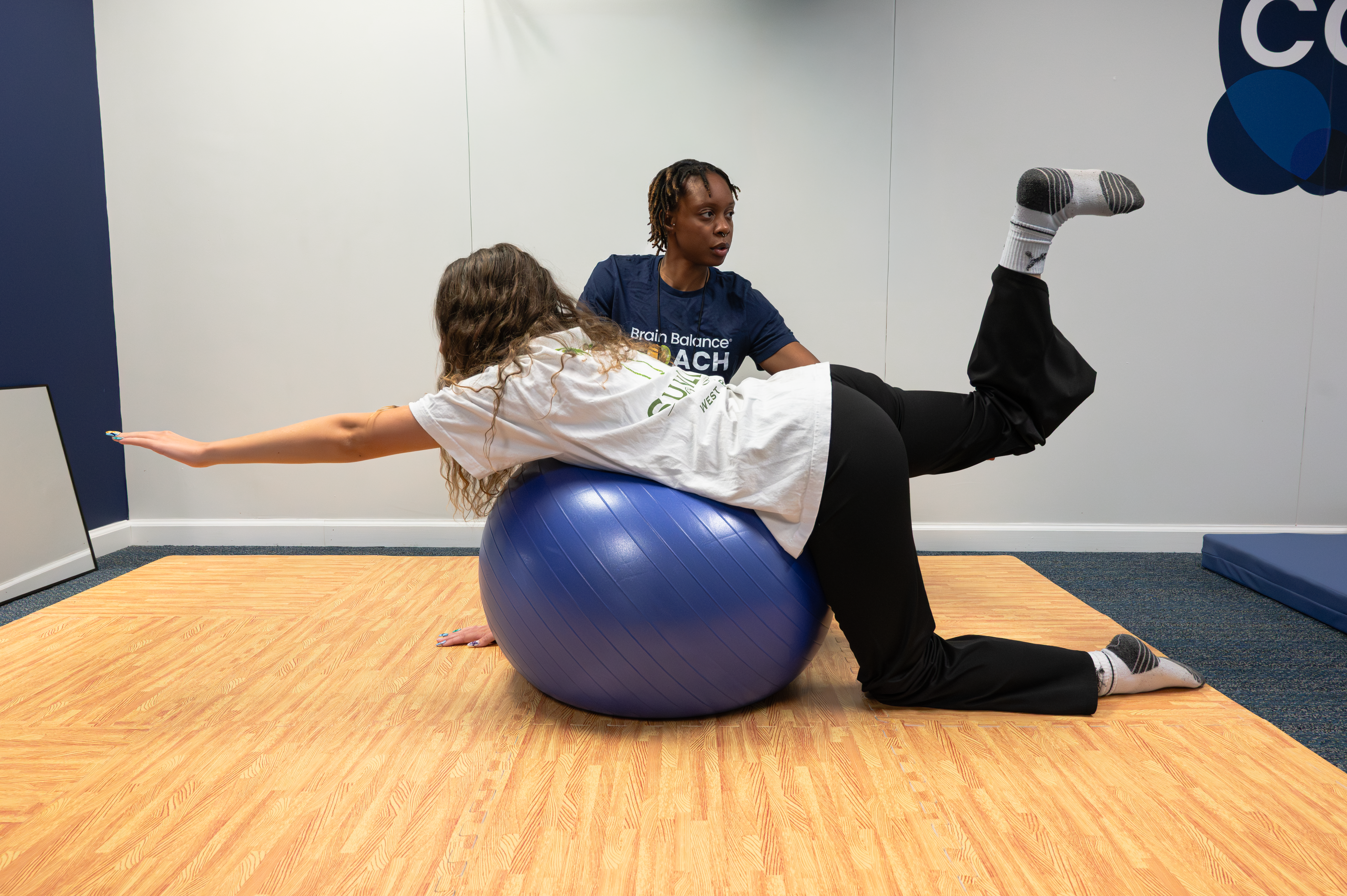
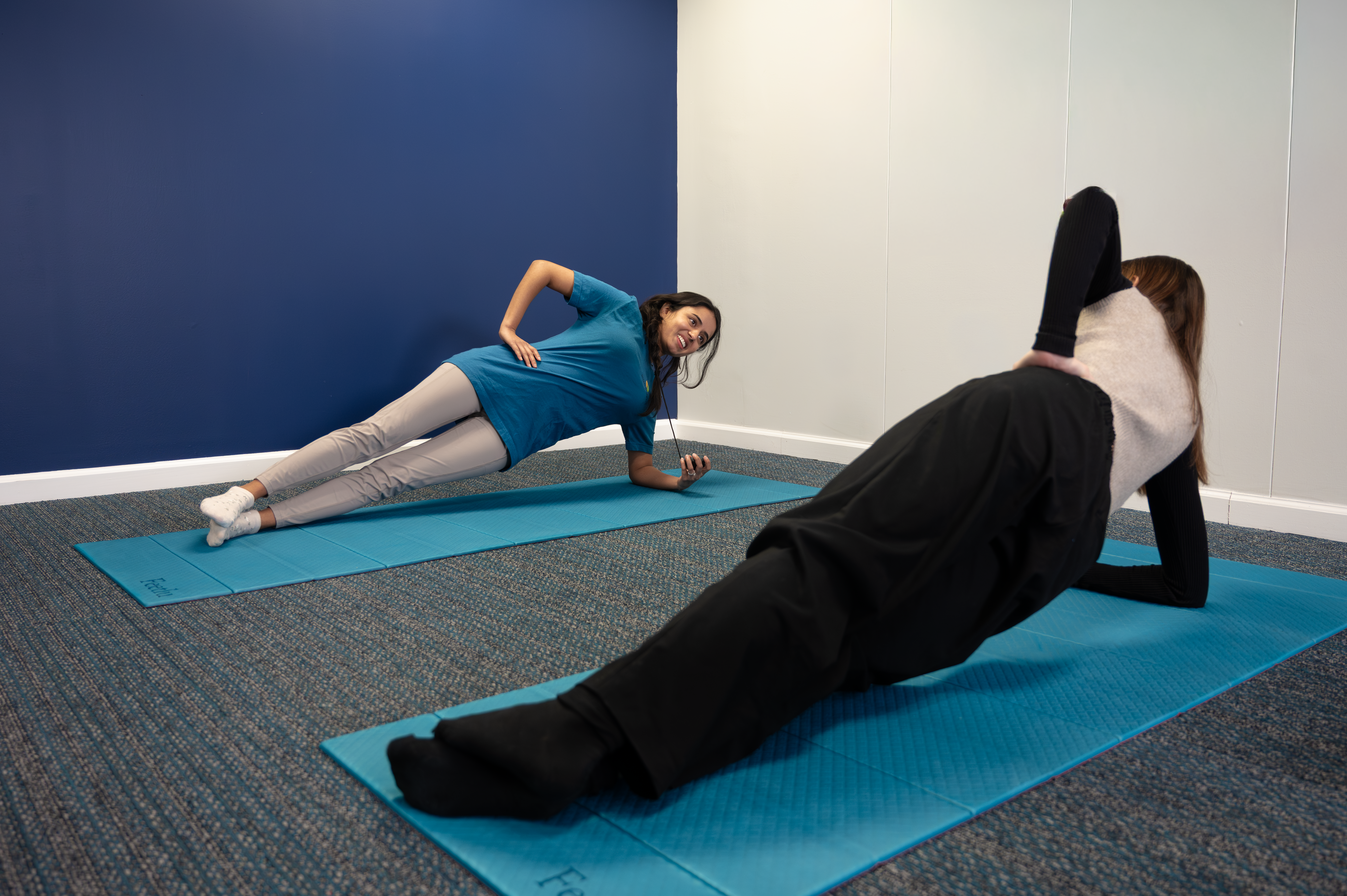
Brain Balance offers a non-drug, personalized program designed to support regulation and resilience by strengthening brain connectivity through sensory, physical, and cognitive exercises. By targeting foundational skills related to attention, coordination, and emotional regulation, the goal is to reduce the intensity and frequency of stress-driven reactions over time.
How This Approach May Support Anxiety
Brain Balance focuses on strengthening systems that influence how anxiety shows up, including:
- Improving Emotional Regulation
Emotional regulation is the brain’s ability to pause before reacting and recover after stress. When regulation systems are stronger, individuals may find it easier to manage frustration, handle unexpected changes, and respond more clearly to everyday challenges, than spiraling to stress responses.
- Building Executive Function Skills
Executive function encompasses planning, organization, working memory and flexible thinking. When we have undeveloped skills, just daily tasks can be overwhelming. Strengthening executive functions can help individuals approach challenges with more structure and confidence, reducing the cognitive overload that often fuels anxiety.
- Supporting Sensory Integration
Many for individuals who feel overstimulated or easily dysregulated by environmental input, such as sound, light, movement, or other environmental input. When the brain struggles to process sensory information efficiently, it can trigger stress responses that resemble anxiety. Improving sensory integration can help the nervous system tolerate and interpret sensory input more comfortably.
- Increasing Confidence through Structured Skill-Building
Confidence can be more obtainable through repeated experiences of mastery. Structured exercises allow individuals to experience small, measurable successes in areas like coordination, focus, and cognitive flexibility. Over time,these small wins can build resilience and help reduce anxiety tied to feelings of frustration or failure.
For many, Brain Balance works best as part of a layered support plan. Therapy can help individuals understand and respond to anxious thought patterns. Occupational Therapy targets specific sensory or motor skills in repetition. Occupational Therapy targets specific sensory or motor skills in repetition. Coaching can strengthen executive functioning. Lifestyle factors like healthy nutrition, sleep, movement, and predictable routines remain foundational.
Anxiety in neurodivergent individuals is rarely a single-issue problem. It often reflects a nervous system working hard to keep up in a world that demands constant adaptation.
Who Might Benefit from This Approach?
Programs like Brain Balance can be a valuable option for individuals experiencing anxiety, whether it is connected to challenges with regulation and nervous system capacity, intrusive or catastrophic thinking patterns, or a combination of both. This can include those who feel chronically overwhelmed by transitions, sensory environments, or executive demands. It may resonate with individuals who experience both anxiety and ADHD, or anxiety alongside learning differences that make daily tasks more effortful than they appear from the outside.
How can you get help from Brain Balance?
The first step is to schedule an assessment for you or your child. This allows us to evaluate your current level and determine which program will provide the best results. If you would like to get started, please call us at (484) 580-2309 today!
About the Author