



Brain Balance Newsroom
No medication. Just results.
Facts, research, and approved assets for journalists, franchisees, and partners covering Brain Balance's drug-free, whole-child approach to attention, behavior, and learning.
In the News
Recent, verified coverage of and about Brain Balance.
National segment on "America Reports" describing Brain Balance's non-medication approach to ADHD.
Watch segment →"Brain-Training Center Comes to Howard County" — profile of the new Howard County, MD center and its founder.
Read article →"Brain Balance Achievement Center to Open In Howard County" — regional business coverage of the center's launch.
Read article →"Brain Balance Achievement Center to Open 1st Maryland Location in Howard County" — covers the new center (opening April 2025) and founders Beth Snow and Chris D'Avanzo.
Read article →Grand-opening feature on the Queen Creek, AZ center, quoting franchise owner Tammy Bingham on her family's story.
Read article →Local human-interest piece on franchise owners Lori and James Sheldon opening their Pasadena center.
Read article →Media Kit
Everything a reporter needs in one place.
Boilerplate
Brain Balance offers a personalized, non-drug brain health program helping individuals improve focus, behavior, social skills, anxiety, and academic performance. The program takes an integrative approach to strengthening brain connectivity through sensory engagement, physical development, cognition and nutrition. Over the past decade this unique and effective program has helped over 60,000 individuals create a brighter path for their future. Visit brainbalancecenters.com to learn more.
Fast Facts
- 70+ centers nationwide, approaching its 20th anniversary in 2027
- Whole-child model: cognitive training, sensory engagement, physical development, and nutrition, together
- Drug-free, no diagnosis required — Brain Balance identifies developmental opportunities rather than treating a condition
- Over 60,000 individuals served in the past decade
Downloads and Links
Research & Data
Eight peer-reviewed published studies and two white papers stand behind the Brain Balance program. Full detail on each lives on our own site.
ADHD Symptom Reductions Comparable to Low-Dose Stimulant Medication
Psychiatry Research — Harvard Medical School / McLean Hospital, 2023Symptom reductions "comparable to those reported for low-dose stimulant medication" after 15 weeks.
Open-label pilot design (no placebo/sham control); the study's authors note larger, randomized, blinded trials are needed to confirm the results. Read the study →Developmental Outcomes Stratified by Baseline Severity
Frontiers in Psychology, 2023Large to very large effect sizes (Cohen's d = 0.87–2.08) across six developmental domains after 3 months.
Read the study →At-Home Program Produces Cognitive Gains Comparable to In-Center
Frontiers in Child & Adolescent Psychiatry, 2024 — co-authored by Dr. Rebecca JacksonThe virtual, at-home program showed "substantial cognitive improvements comparable to in-center results."
Read the study →Significant Cognitive Improvement Across All 12 Tasks Measured
Journal of Advances in Medicine & Medical Research — Cambridge Brain Sciences, 2021Improvement across all 12 cognitive tests measured, including "gains on tasks never practiced."
Read the study →81% of Children Improved in ADHD Symptoms
Humanities & Social Sciences Communications (Nature/Springer), 202281% improved on Brown ADD Scales, with nearly half achieving "clinically reliable change."
Read the study →Attention & Classroom Behavior Improved in a School Setting
Journal for the Study of Education & Development, 2023School-based pilot found significantly diminished primitive reflexes and improved attention.
Read the study →75% Showed Improvement in Anxiety and Emotional Functioning
Journal of Mental Health & Clinical Psychology, 202075% showed improvement across 11 anxiety domains after 5–6 months in the program.
Read the study →Assessment Tool Validated With Largest Sample
Current Psychology (Springer), 2023Brain Balance's assessment tool validated on 47,571 participants, confirming a six-factor structure.
Read the study →Developmental Outcomes in ASD: A Control Group Study
Brain Balance white paper, 2025Significant improvements in 5 of 6 sensory-motor domains (p < .001) versus a control group.
Read the summary →Sensory-Motor Intervention and Multi-Domain Outcomes in ASD
Brain Balance white paper — large observational study, 2026875 participants; 73.6% reported social-communication improvement (effect sizes d = 1.00–1.51).
Read the summary →Approved Brand & Visual Assets
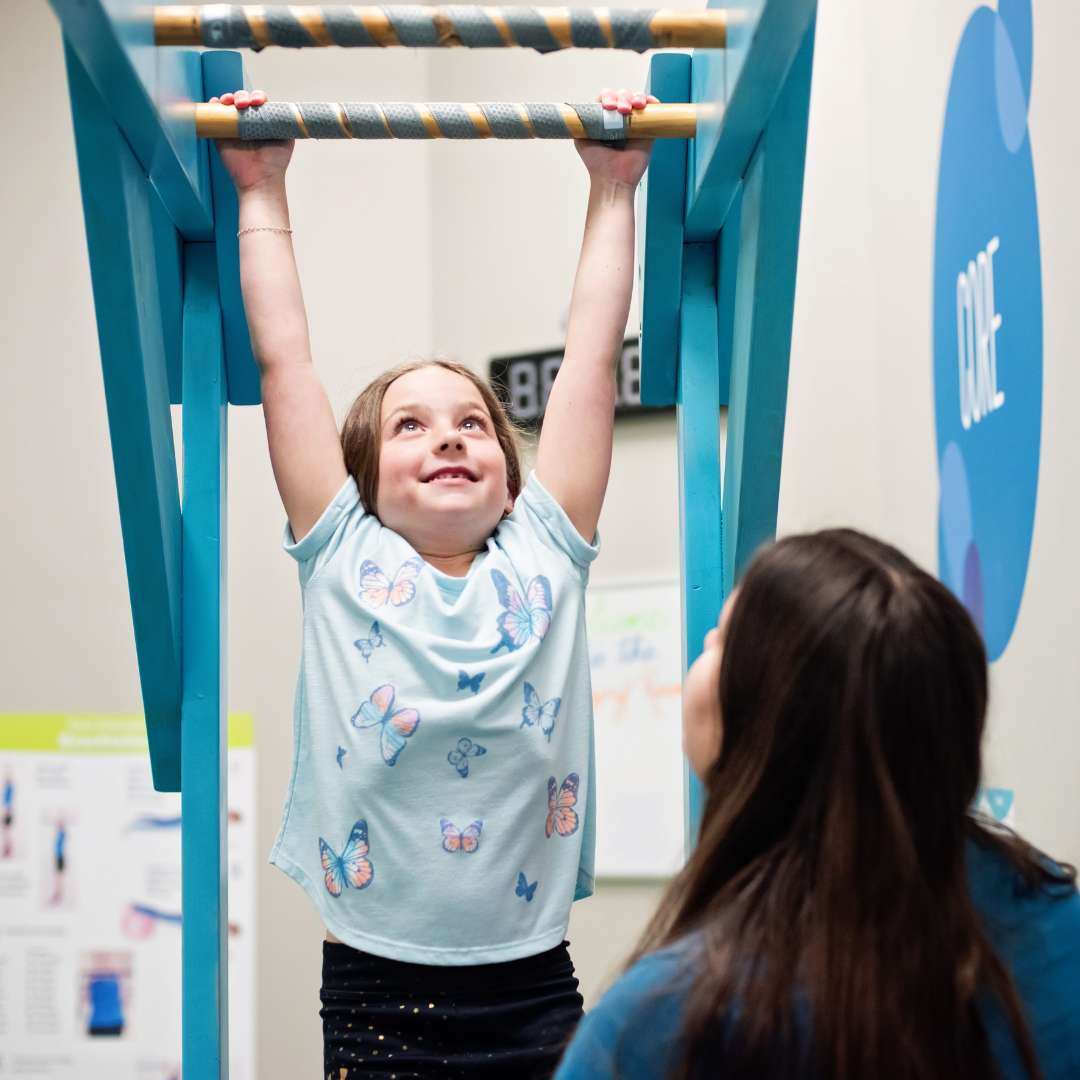
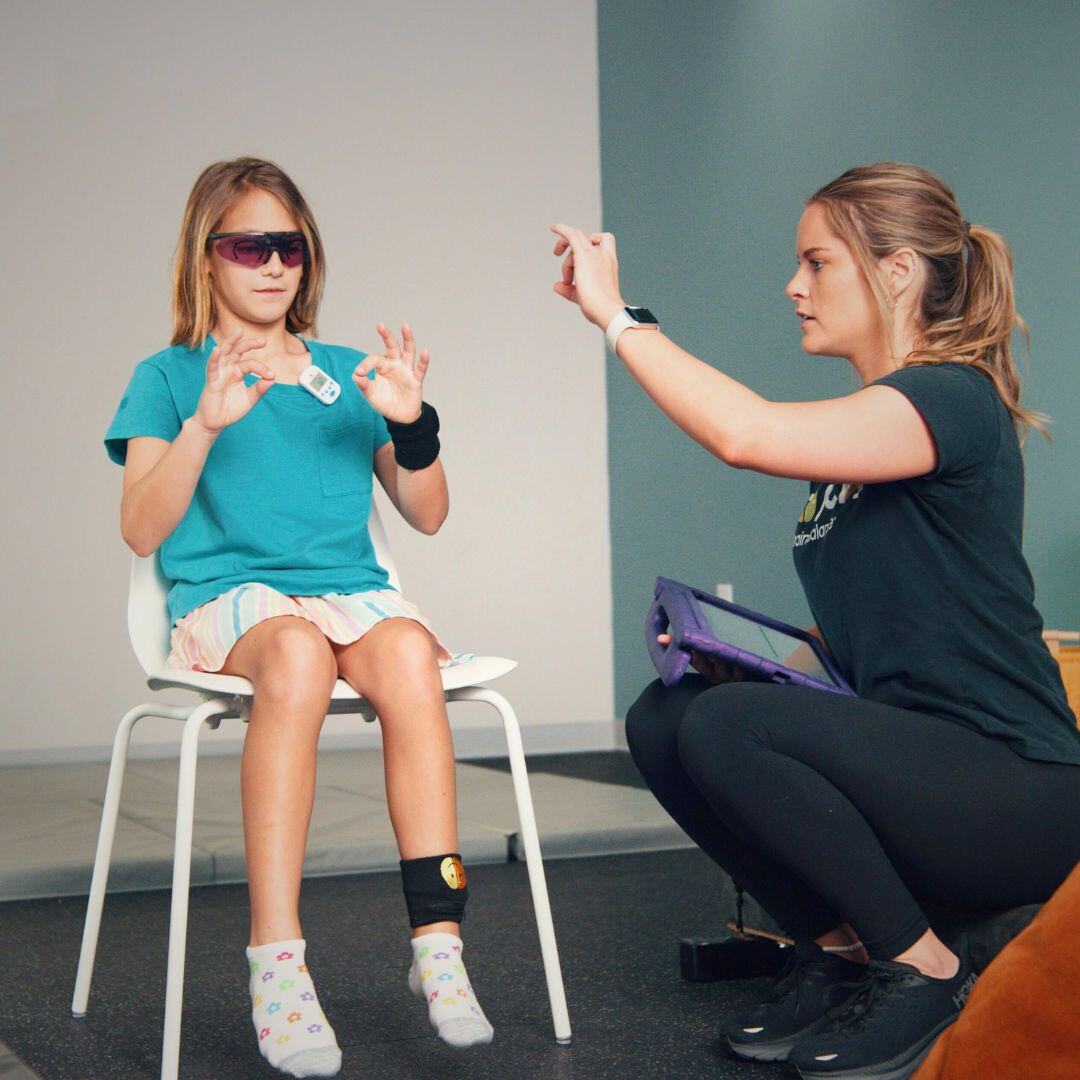
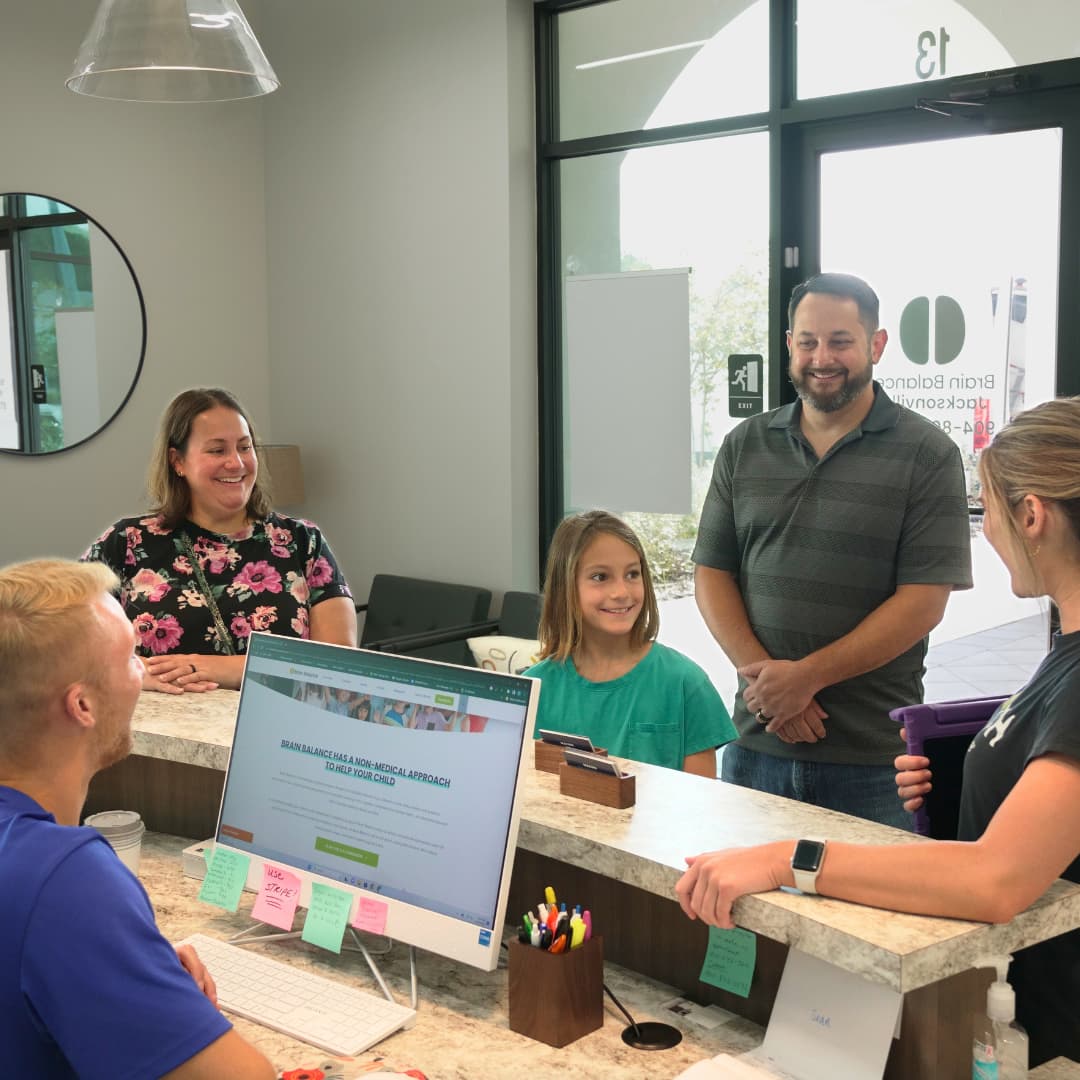
Pre-cleared for editorial and broadcast use. Please retain the registered trademark and do not alter the logo's colors or proportions.



From the CEO
"For two decades, we've been quietly transforming lives, helping children overcome learning and behavior challenges by rewiring the way their brain processes the world so they can thrive. Now, armed with 20 years of remarkable evidence, it's time to amplify that impact and bring the power of brain health to every family and community that needs it."
Who to Call
Two standing expert sources, routed by topic.
Dr. Rebecca Jackson
Chief Programs Officer · Clinical & Research Topics- What the research actually shows about food, focus, and mood in kids with ADHD — and where the evidence is thin
- Specific, low-effort food changes families can try, and how to tell if they're working
- Common nutrition myths about ADHD (elimination diets, sugar, food dyes)
- The screen time, sleep, and nutrition triangle for attention and mood
- What 20 years of working with families at Brain Balance has taught her about what actually sticks
Maggie Ford
CEO · Business & Leadership Topics- The neurodiversity shift — why schools and employers are rethinking "different"
- As ADHD and autism diagnoses surge, insurance coverage becomes brain health's next battleground
- The brain health boom: building operational rigor and clinical outcomes into a scaling franchise model
Media Contact
Brain Balance Centers
Jennifer Irwin
jirwin@brainbalancecenters.com