Understanding the neuroscience behind social struggles, and why practice alone often isn't enough
Most parents of kids who struggle socially have tried the obvious things: playdates, social skills groups, coaching on how to take turns in conversation, how to read facial expressions, when to talk and when to listen.
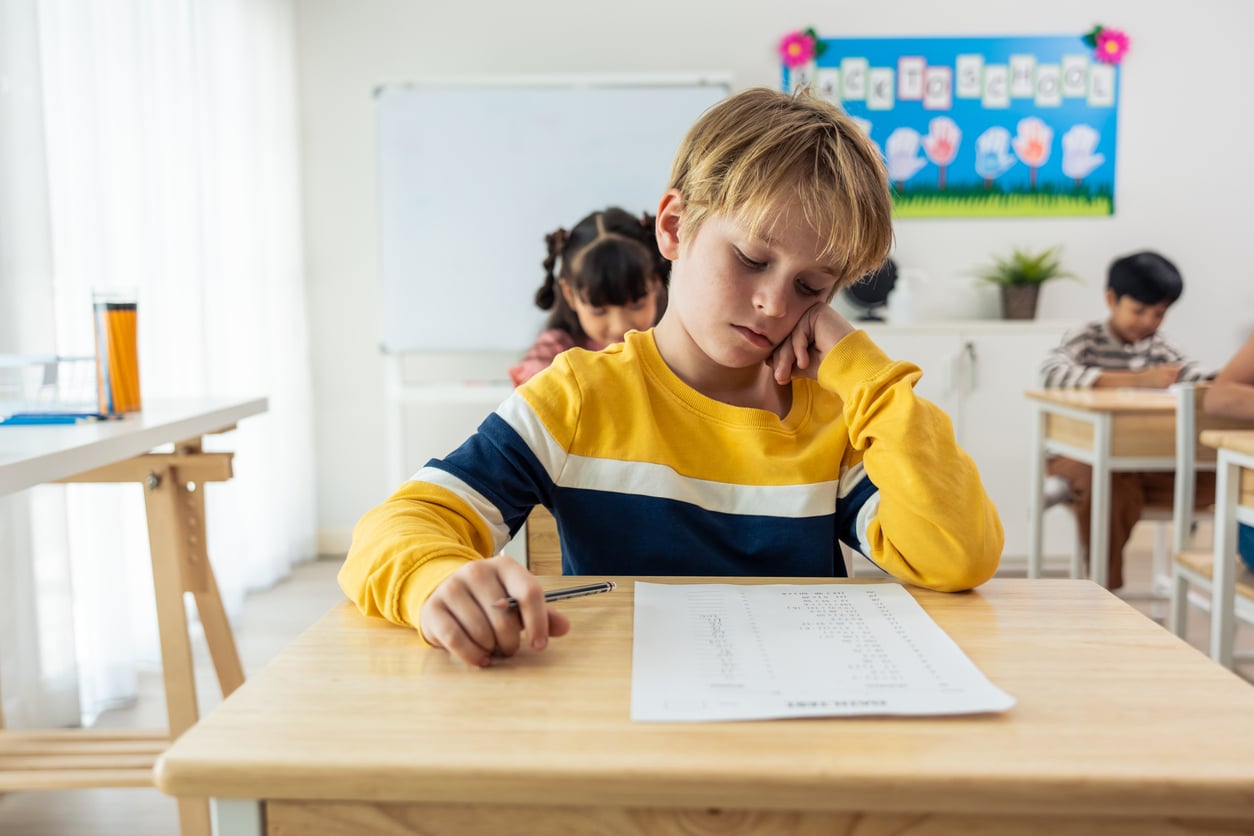
Sometimes it helps. But often, the skills don't transfer. What worked in the group session falls apart in the hallway at school. The child can recite the rules of conversation and still says the wrong thing, misses the cue, comes on too strong, or shuts down entirely. The reason is that social competence isn't primarily a skill problem. It's a brain development problem.
What's Actually Happening in the Social Brain
Social interaction is one of the most complex things the brain does. In any given conversation, your brain is simultaneously processing tone of voice, facial microexpressions, body language, the content of what's being said, the history of the relationship, and your own internal emotional state, all in real time. A Harvard study that followed people over 75 years found that the quality of our relationships is one of the strongest predictors of physical, emotional, and mental health across a lifetime. The brain is literally built for connection. But building that connection requires multiple neural networks firing in perfect coordination.
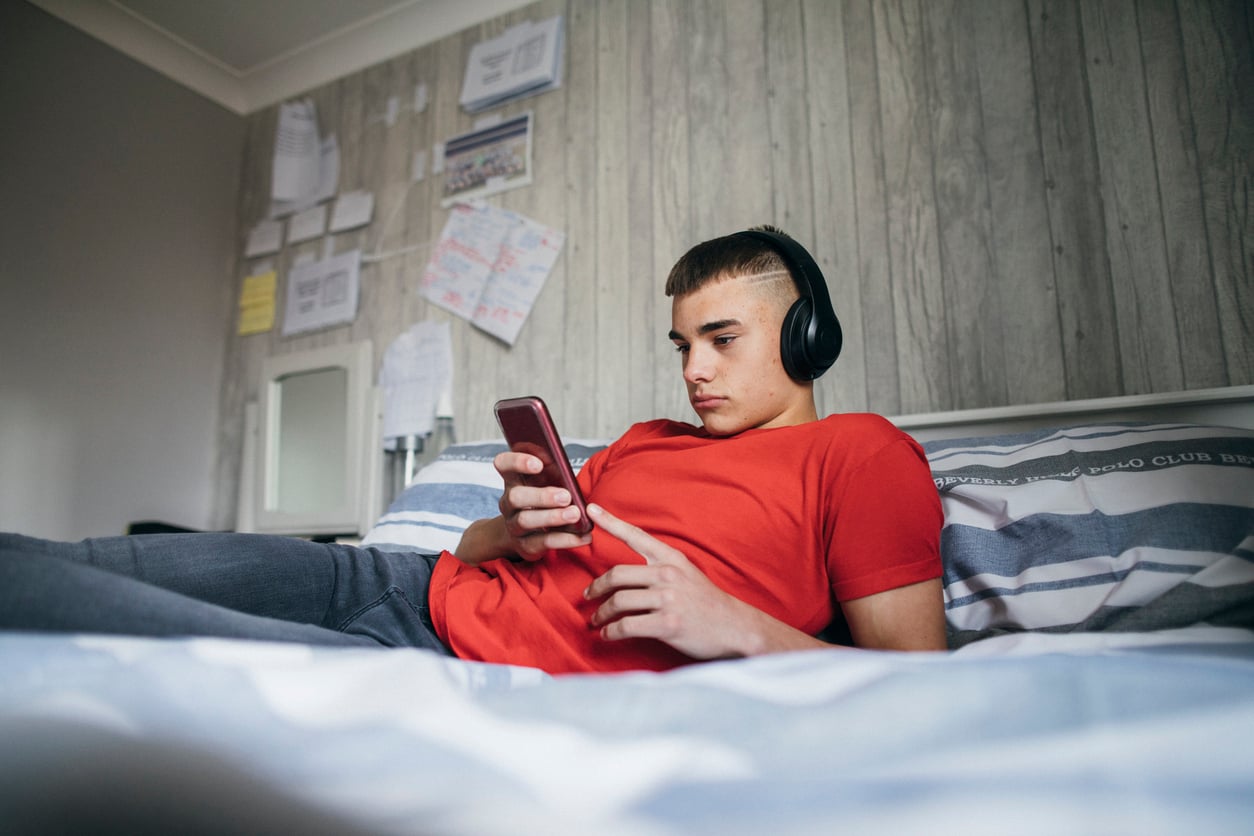
When any of those networks are underdeveloped, the social experience breaks down. Not because the person doesn't want connection, but because their brain is struggling to process the inputs fast enough to respond appropriately. A child who talks too much, interrupts, misses sarcasm, or shuts down in groups isn't being rude. Their neural wiring for reading the room just hasn't fully come online yet.
The Sensory Layer Nobody Talks About
One factor that's rarely discussed in the context of social struggles: sensory processing. If the brain is over-sensitive to noise, touch, proximity, or eye contact, social situations become physically overwhelming before any social interaction even begins. Cues are missed, and the brain fatigues quickly.
A child who can't tolerate the noise of a cafeteria, or flinches at unexpected physical contact, or avoids eye contact because it's genuinely uncomfortable. Their nervous system is in a state of protection, not connection. They're not being antisocial. They're managing a sensory load that most people around them aren't experiencing. Reducing that sensory load, rather than pushing more social exposure, is often where progress actually starts.
Why Practice Alone Isn't Enough
Social skills require two things: the neurological development to process social information accurately, and the practice that builds skill on top of that foundation. Both matter. But if the neural foundation isn't ready, practice produces frustration more than progress.
Think about what's required for something as basic as joining a group conversation: reading whose turn it is to talk, tracking the thread of what's being said, filtering what not to say, and managing anxiety about whether you'll be accepted. Each of those is a separate brain function. Social skills groups can teach rules and scripts, but rules and scripts don't work when the underlying processing isn't keeping pace with the room.
The Evidence
In a study of more than 4,000 Brain Balance participants, social communication was one of six areas where parents reported meaningful improvement after completing the program. And the pattern held: kids who struggled most socially at the start showed the most improvement. Published in Frontiers in Psychology. [Jackson & Jordan, 2023]
A separate study reviewed four years of parent survey data from Brain Balance families. After 5–6 months in the program, 75–100% of children showed improvement in social withdrawal and emotional expressiveness, along with meaningful reductions in anxiety and mood instability, both of which directly affect a child's ability to connect with peers. [Jackson & Robertson, 2020]
The most recent combination of studies, including a control group study, and a study on over 800 students with Autism Spectrum Disorder (ASD) showed changes in both objective measures of development and parent-reported improvements across all domains. The largest parent-reported gains were in the social and communication domain.
Building Social Brain Capacity
Brain Balance works on the neural systems that support social functioning. Not by drilling social scripts, but by building the sensory processing, auditory integration, coordination, and cognitive networks that make social interaction feel manageable.
When those systems develop, kids often begin initiating interactions more, reading social cues more accurately, and recovering more quickly from social missteps. Not because they memorized better rules. Because their brain is finally up to the task.
Social connection is one of the most important factors in long-term well-being. If someone you love is struggling to find it, and practice isn't working, there may be a deeper reason worth exploring.
Published Research Referenced
Jackson R, Jordan JT. Frontiers in Psychology. 2023. PMC10478577. doi:10.3389/fpsyg.2023.1171936
Jackson R, Robertson JM. Journal of Mental Health and Clinical Psychology. 2020.
Individual results may vary. Research conducted in children and adolescents ages 4–18.