Understanding how the brain drives attention, and why effort alone rarely fixes it.
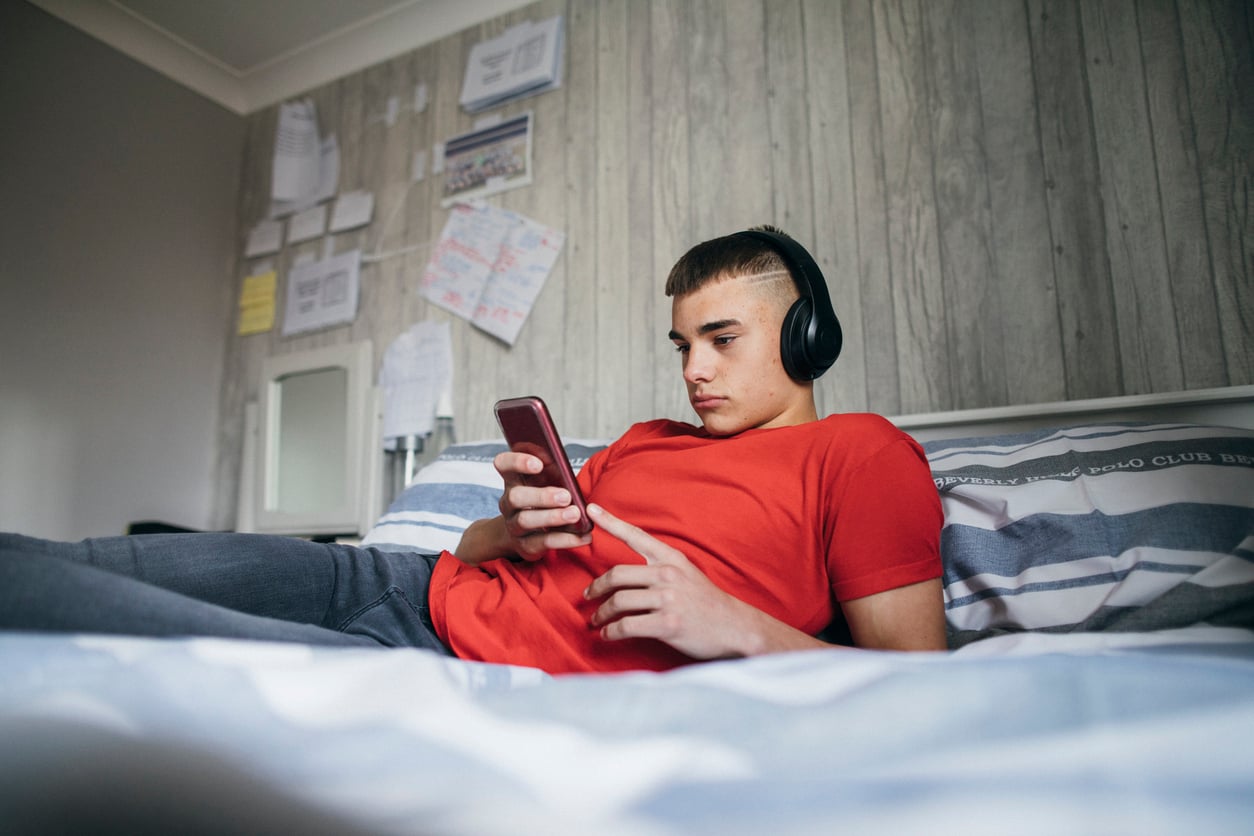
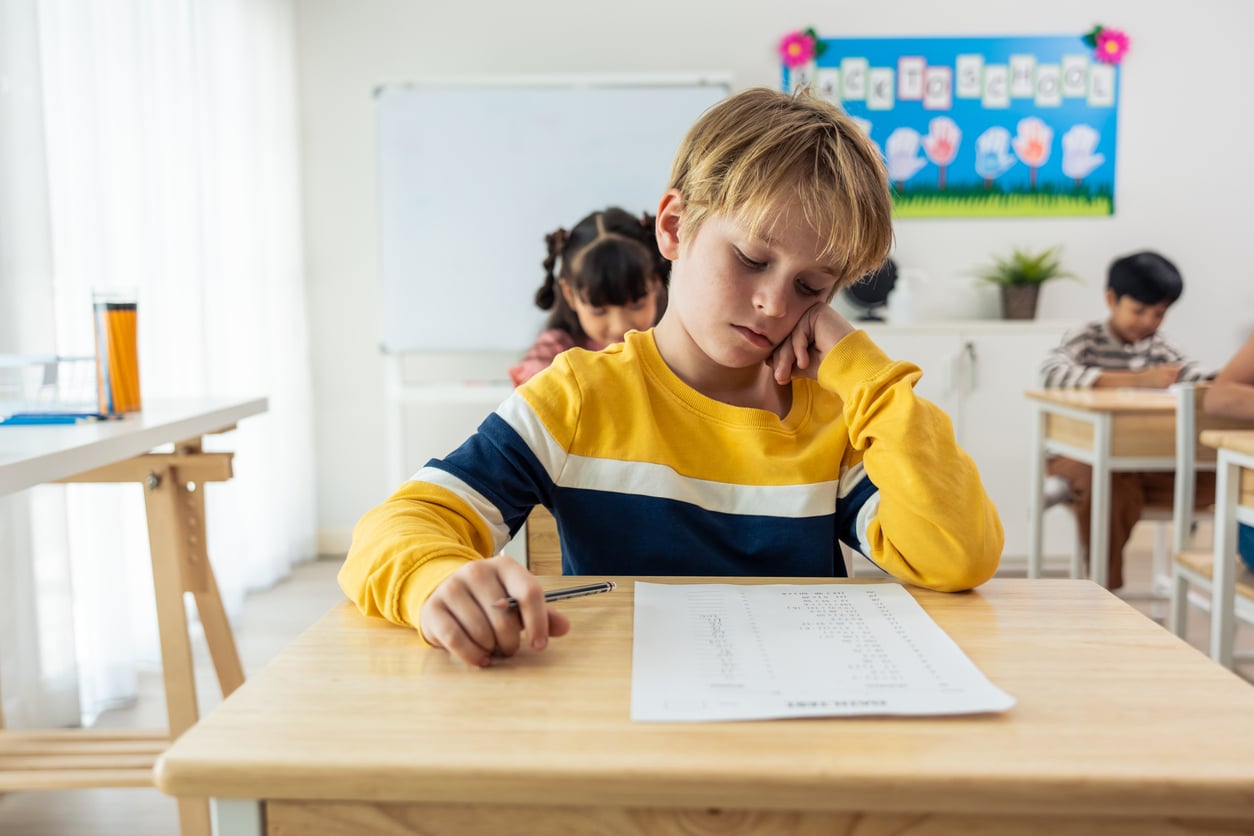
If you've ever told your child to pay attention. Really told them, firmly, more than once. And watched it still not work, you're not alone. And you're not dealing with a lazy kid or a parenting problem. You're dealing with a brain that hasn't fully developed the connections it needs to sustain focus.
Attention isn't a choice. It's a function. And like every function, it depends on specific neural pathways working properly.
What's Actually Happening in the Brain
The brain can't process everything happening around it at once, so attention acts as a gatekeeper, deciding what information gets through and what gets filtered out. The reticular activating system handles that filtering. The prefrontal cortex directs where focus goes. And a network of connections keeps distractions from overwhelming the system.
When these networks are mature and well-connected, focus feels effortless. But when they're underdeveloped, every minor noise, movement, or passing thought competes equally for attention. The brain's filtering system isn't strong enough to sort signal from noise. No amount of willpower can override that, because willpower itself requires the same brain systems that aren't working properly. You can't fix a weak Wi-Fi signal by trying harder to load the page.
Here's something that surprises many parents: your child's ability to spend two hours gaming doesn't contradict their attention struggles. Gaming taps into a completely different pathway: reward-driven microbursts of attention fueled by dopamine. It's hundreds of tiny moments of focus strung together by a reward, not the sustained, effortful attention needed for school and work. The brain that can play for hours may genuinely struggle to sustain focus for twenty minutes on homework. Both things are true at the same time.
The key is to strengthen the sustained attention and distraction-filtering pathways so attention becomes effortless, even with non-preferred tasks like homework, cleaning your room, or keeping up in the classroom.
Why 'Try Harder' Is the Wrong Prescription
Parents, teachers, and well-meaning coaches often respond to attention struggles with more structure, more reminders, more accountability. Sometimes that helps at the margins. But if the underlying neural connectivity isn't there, those strategies are just workarounds. They require constant external support because the internal system isn't doing its job. The external support is not setting the individual up for success when no one is there to provide structure and reminders.
The brain, like a car, can't run without fuel. Sustained focused attention burns a lot of it. When the brain's attentional networks are immature, they burn through resources even faster. That's why kids who struggle with attention are often exhausted and irritable by the end of the school day. They aren't avoiding effort. They're running on empty.
It's also worth knowing that you don't need a formal ADHD diagnosis for attention challenges to be significantly impacting daily life. Research suggests that for every child diagnosed with ADHD, nearly twice as many more experience meaningful attention difficulties that fall just short of the diagnostic threshold.
The Evidence
In a peer-reviewed study, parents of Brain Balance participants rated their children's attention symptoms before and after the program. 8 out of 10 kids improved, and kids who struggled most at the start showed the biggest gains. Published in the Nature portfolio of journals. [Jackson & Jordan, 2022]
A 2024 study looked at whether the at-home Brain Balance program produced the same results as the in-center program. It did. Kids improved in focus, the ability to stop and think before acting, and the ability to hold information in mind, regardless of how they participated. [Jackson & Meng, 2024]
Researchers at McLean Hospital (a Harvard Medical School affiliate) studied children with ADHD who participated in Brain Balance. Using parent and clinician questionnaires, in addition to cognitive and executive function testing,), they found meaningful reductions in inattention and hyperactivity/impulsivity. The findings were comparable to the effects of low-dose medication. [Teicher et al., 2023]
What Builds Attention from the Inside Out
Brain Balance takes a different approach. Instead of coaching people to manage attention struggles, we focus on strengthening the neural pathways that make sustained attention possible in the first place through sensory processing, visual gaze stability, auditory processing, rhythm and timing, and targeted cognitive training. The result is stronger networks for attention, focus, and impulse control.
It's not about making someone try harder. It's about giving their brain the infrastructure to focus naturally.
If your child has been told to focus more and it hasn't worked, there's a reason. And there's a better path forward.
Published Research Referenced
Jackson R, Jordan JT. Humanities and Social Sciences Communications. 2022. doi:10.1057/s41599-022-01333-y
Jackson R, Meng Y. Frontiers in Child and Adolescent Psychiatry. 2024. doi:10.3389/frcha.2024.1450695
Jackson R, Jordan JT. Frontiers in Psychology. 2023. doi:10.3389/fpsyg.2023.1171936
Teicher et al. Psychiatry Research. 2023. PubMed ID: 36446221
Individual results may vary. Research conducted in children and adolescents ages 4–18.