Why Researchers Are Looking At the Impact of Screens on a Child's Developing Brain
Parents today are navigating something no previous generation has faced before: children growing up in a world of constant screens.
And for many families, the concern is not just “How much screen time is too much?” It is noticing what happens afterward.
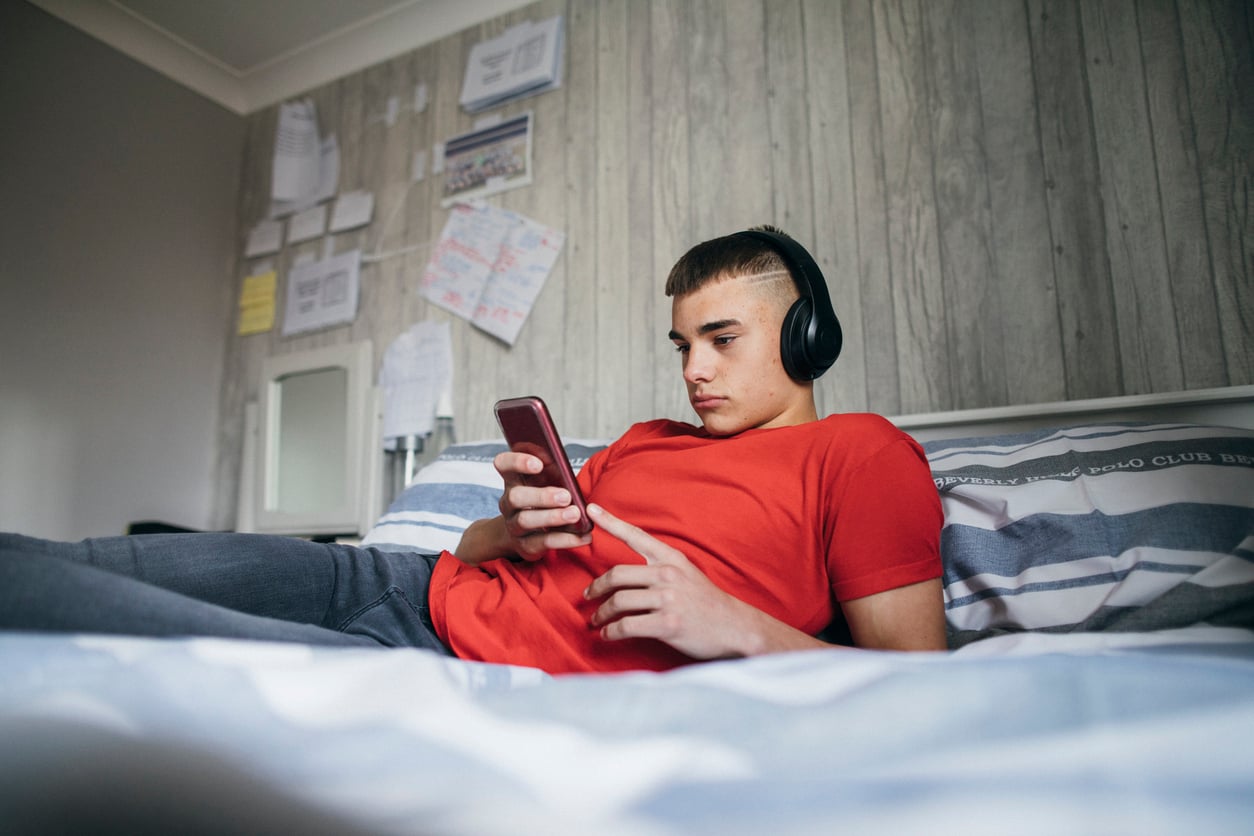
Maybe your child becomes more irritable after gaming. Maybe transitions away from screens lead to meltdowns. Maybe they seem obsessed with devices, emotionally dysregulated, unfocused, or spending more time in isolation than they are with friends and family.
If that sounds familiar, you are not alone.
Researchers, pediatricians, and child development experts are asking deeper questions about how screen exposure may impact the developing brain, especially during childhood and adolescence, when the brain is rapidly building important connections.
Research published in JAMA Pediatrics is helping explain why these changes may occur at the level of brain connectivity and white matter development.
What Is White Matter, and Why Does It Matter?
The brain is made up of both gray matter and white matter.
White matter acts like the brain’s communication network. It connects different brain regions and allows them to efficiently send signals back and forth.
These connections help support:
- attention
- emotional regulation
- executive functioning
- processing speed
- learning
- language
- self-control
- memory
- social communication
In children and teens, white matter is still developing. The experiences kids have every day help shape how these connections strengthen over time.
That means the brain is highly adaptable, but also highly influenced by environment and habits.
What the Research Found
One of the most widely discussed studies on screen time and brain structure was published in JAMA Pediatrics and examined preschool-aged children using MRI imaging. Researchers found that higher screen-based media use was associated with lower integrity of white matter tracts involved in:
- language
- literacy
- imagery
- executive functioning
- self-regulation
The researchers specifically compared children’s screen use against the American Academy of Pediatrics recommendations.
More recently, a 2025 longitudinal study published in JAMA Pediatrics found that greater screen time in late childhood was associated with:
- increased depressive symptoms in adolescence
- shorter sleep duration
- altered white matter organization
Researchers suggested that disrupted sleep and changes in white matter connectivity may partially explain the relationship between excessive screen exposure and emotional health challenges.
Importantly, these studies do not suggest screens “damage” the brain in a simplistic way. The conversation is more nuanced than that.
Instead, researchers are exploring how excessive or poorly balanced screen use may influence the way the developing brain organizes and strengthens its communication pathways over time.
Why Might Screen Time Affect Brain Connectivity?
Not all screen time is the same.
A video chat with grandparents is very different from hours of fast-paced, highly stimulating, algorithm-driven content or games.
But many forms of modern digital media are designed to capture attention quickly and continuously. Rapid rewards, constant novelty, autoplay features, endless scrolling, and fast sensory input can activate the brain differently than real-world interaction and play.
The concern is not simply what screens add, but what they may replace.
Excessive screen use can crowd out experiences the developing brain actually needs most:
- physical movement
- face-to-face interaction
- sleep
- unstructured play
- sensory exploration
- boredom and creativity
- problem-solving
- hands-on learning
These real-world experiences activate multiple brain systems at the same time.
For example:
- climbing activates vestibular and proprioceptive systems
- conversation develops language and social communication networks
- physical exercise increases blood flow and supports neuroplasticity
- imaginative play strengthens executive functioning and emotional regulation
- interactive learning requires attention, memory, sequencing, and cognitive flexibility
The brain develops through active engagement with the world, not passive consumption.
What the American Academy of Pediatrics Recommends
The American Academy of Pediatrics still provides age-based screen time recommendations, particularly for younger children:
- Under 18 months: avoid screen media other than video chatting
- 18–24 months: if screens are introduced, use high-quality programming together with a caregiver
- Ages 2–5: limit screen use to about 1 hour per day of high-quality programming
- Older children and teens: focus on healthy habits, sleep, emotional health, physical activity, and balanced media use rather than only counting minutes.
Building Regulation Capacity at the Root
Brain Balance works on strengthening the connections that make regulation possible: sensory work to reduce the nervous system's baseline state of alert, motor and coordination exercises that build body-brain integration, and cognitive training that develops prefrontal capacity. The program also directly targets primitive reflex integration, which has direct links to emotional stability.
As those connections strengthen, the emotional threshold changes. Things that previously triggered a flood start feeling manageable. Recovery time after an upset shortens. The child begins accessing their own braking system, not because they decided to try harder, but because the system is finally working.
A More Modern Approach to Screen Time: Understanding the AAP’s “5 Cs”
For years, most conversations around screen time focused almost entirely on one question:
“How many hours is too much?”
But pediatric experts are increasingly recognizing that the conversation is more complicated than simply counting minutes.
That is why the American Academy of Pediatrics introduced a more holistic framework called the “5 Cs” of media use. Instead of only focusing on total screen time, the framework encourages families to think about how media affects a child’s brain development, emotional health, routines, relationships, and daily functioning.
The 5 Cs include:
- Child
- Content
- Calm
- Crowding Out
- Communication
The goal is not perfection or eliminating screens completely. It is helping parents better understand how different types of media affect different children in different ways.
This framework can help families move away from guilt and toward a more balanced, thoughtful understanding of how media use affects the developing brain.
1. Child: Every Brain Responds Differently
Not all children react to screens the same way.
Some children may be able to watch a short educational program and move on easily. Others may become overstimulated, emotionally reactive, hyperfocused, or unable to transition away from devices.
The AAP encourages parents to think about their individual child’s personality, developmental stage, strengths, and struggles.
For example:
- Does your child seek out highly stimulating, fast-paced content?
- Do they become emotionally dysregulated after gaming or scrolling?
- Does social media increase anxiety or comparison?
- Or does technology help support a healthy interest like art, music, coding, or creativity?
This is especially important because children with challenges related to attention, executive functioning, emotional regulation, or sensory processing may respond more intensely to certain forms of digital stimulation.
Instead of comparing your child to others, pay attention to how media uniquely affects your child’s mood, focus, sleep, and behavior.
2. Content: What Kids Watch Matters
Research increasingly shows that the quality of content matters just as much, if not more, than the amount of time spent on screens.
There is a big difference between:
- passive scrolling
- violent or highly stimulating videos
- endless short-form content
- and interactive, educational, or creative media experiences
Some types of content are intentionally designed to keep children engaged for as long as possible through rapid scene changes, constant novelty, emotional reactions, rewards, and autoplay features.
Over time, this type of stimulation may make it harder for some children to tolerate boredom, sustain attention, regulate emotions, or disengage from devices.
Parents can begin asking questions like:
- Does this content leave my child calm or dysregulated?
- Is it encouraging creativity and learning, or passive consumption?
- Does my child seem emotionally different afterward?
For example, a child who spends 30 minutes creating digital art may have a very different neurological experience than a child spending 30 minutes rapidly scrolling short-form videos.
3. Calm: Screens Should Not Become the Only Coping Tool
Many children begin using screens as their primary way to calm down, relax after a long day at school, connect with friends online, escape stress, avoid boredom, or regulate emotions.
And in the short term, screens often work.
They provide distraction, stimulation, predictability, and dopamine-driven rewards that can temporarily soothe the brain.
But children ad teens also need opportunities to build real-world connection and self-regulation skills.
That includes learning how to:
- tolerate boredom
- manage frustration
- calm their body naturally
- fall asleep without stimulation
- process emotions through movement, conversation, creativity, or connection
For example, if a child immediately reaches for an iPad every time they feel upset, anxious, bored, or overwhelmed, they may not be developing other healthy calming strategies.
The goal is not removing all forms of recreational media use. It is making sure screens are one tool, not the only tool.
Activities like physical movement, outdoor play, deep pressure activities, music, art, reading, breathing exercises, and social connection help strengthen the brain systems involved in emotional regulation and resilience.
4. Crowding Out: What Are Screens Replacing?
One of the most important questions parents can ask is:
“What is screen time replacing?”
Even high-quality media can become a problem if it begins taking the place of experiences the developing brain needs most.
Excessive screen use may crowd out:
- sleep
- physical activity
- family interaction
- outdoor play
- creativity
- face-to-face communication
- Time spent with friends in person
- independent play
- hands-on learning
For example:
- A child staying up late gaming may lose critical sleep needed for brain development.
- Hours spent scrolling may replace movement and exercise that support attention and emotional regulation.
- Constant entertainment may reduce opportunities for imagination, problem-solving, and creativity.
- Connecting with friends through a game or app has less time to interact in person, whether in a group or one on one
The brain develops through active interaction with the real world.
Movement, conversation, social interaction, sensory experiences, and problem-solving activate multiple brain systems simultaneously in ways screens often cannot fully replicate.
This is one reason Brain Balance emphasizes physical movement, sensory-motor integration, cognitive engagement, and real-world interaction as part of supporting healthy brain connectivity.
5. Communication: Keep the Conversation Open
The AAP encourages parents to talk about media use early and often, not only when problems arise.
Children and teens benefit from ongoing conversations about:
- how media makes them feel
- what they are watching
- online pressures
- social comparison
- digital habits
- emotional reactions to content
Importantly, communication works best when children feel safe talking honestly without fear of immediate punishment or judgment.
For example, instead of only saying:
“You’re spending too much time on your phone.”
A parent might ask:
“How do you feel after being online for a long time?”
“Do certain apps make you feel stressed or anxious?”
“Do you notice it affecting your sleep or mood?”
These conversations help children build self-awareness and digital literacy over time.
They also help parents recognize when media may be contributing to emotional, behavioral, social, or attention-related struggles.
What This Means for Families
Many parents today feel caught between extremes.
On one side is guilt and fear around screens. On the other is the reality that screens are part of modern life.
The goal is not perfection.
It is awareness, balance, and paying attention to how your child responds.
If you notice changes in:
- mood
- attention
- motivation
- sleep
- emotional regulation
- social interaction
- behavior after screen use
You are not imagining it, and you are not alone.
For some children, especially those already struggling with focus, emotional regulation, sensory processing, executive functioning, or developmental delays, excessive screen exposure may amplify underlying challenges.
How Brain Balance Approaches Screen Time and Brain Development
At Brain Balance, we often recommend reducing recreational screen exposure and increasing real-world brain-building experiences like movement, coordination activities, social engagement, sensory-motor work, and physical exercise.
Why?
Because the brain changes through experience.
The Brain Balance approach focuses on strengthening how the brain actually functions and communicates. Through a multimodal program integrating sensory-motor training, cognitive exercises, and lifestyle support, the goal is to improve foundational brain connectivity so higher-level skills can improve together.
That includes areas related to:
- focus and attention
- emotional regulation
- behavior
- processing
- learning
- executive functioning
- social skills
Parents often tell us that once screen time is reduced and healthier brain-building routines are introduced, they begin noticing improvements not just in behavior, but in sleep, emotional regulation, communication, and overall engagement with the world around them.
Final Thoughts
The conversation around screen time is evolving.
Researchers are moving beyond simply counting hours and asking deeper questions about how digital experiences shape the developing brain, especially during critical years of growth and connectivity.
Screens themselves are not the enemy.
But children’s brains still need movement, interaction, challenge, conversation, exploration, and real-world experiences to develop the strong neural connections that support long-term learning, behavior, mood, and resilience.
And for families seeing concerning changes tied to screen use, there is hope. The brain remains capable of change throughout development.
Sources
- Hutton JS, Dudley J, Horowitz-Kraus T, DeWitt T, Holland SK. Associations Between Screen-Based Media Use and Brain White Matter Integrity in Preschool-Aged Children. JAMA Pediatrics. 2020;174(1):e193869. doi:10.1001/jamapediatrics.2019.3869.
Available at: JAMA Pediatrics Study on Screen Time and White Matter
- Jia T, et al. Role of Sleep and White Matter in the Link Between Screen Time and Depression in Childhood and Early Adolescence. JAMA Pediatrics. 2025.
Available at: 2025 JAMA Pediatrics Study on Screen Time, White Matter, and Depression
- American Academy of Pediatrics: Media and Young Minds
- American Academy of Pediatrics: The 5 Cs of Media Use
- American Academy of Pediatrics Media and Children Resource Center
- Jackson D, Jordan B. Validation of the Brain Balance-Multidomain Developmental Survey (BB-MDS). Frontiers in Psychology. 2023.
- Frontiers in Psychology: Reliable Change in Developmental Outcomes of Brain Balance Participants Stratified by Baseline Severity
- Humanities & Social Sciences Communications: Parent-Reported ADHD Symptom Improvement Following Brain Balance Program Participation