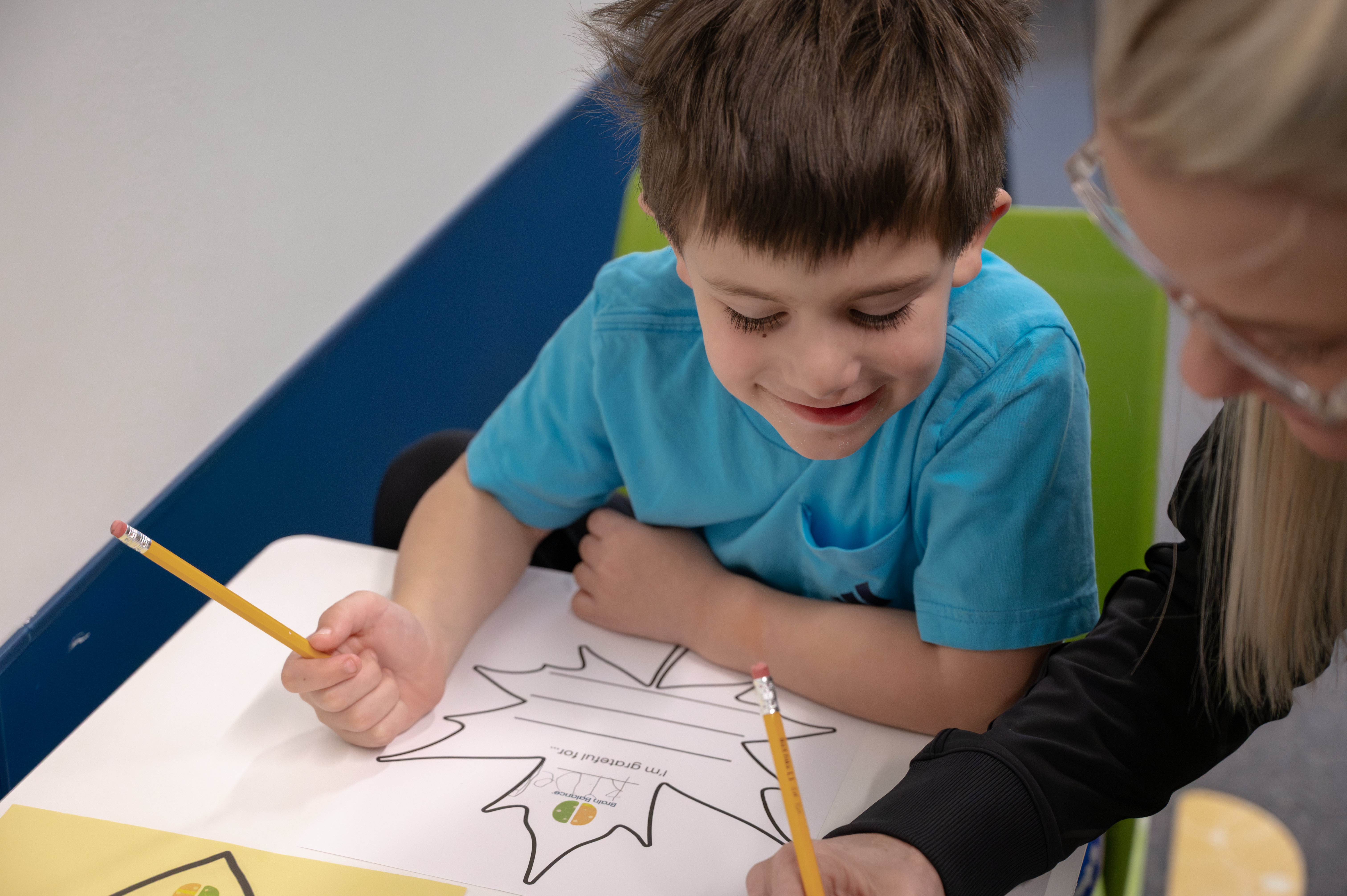
The back-to-school season brings a familiar shift for families: earlier mornings, homework, packed schedules, extracurricular activities, and new academic expectations. For children who struggle with focus, learning, emotional regulation, executive function, or sensory processing, that transition can feel especially challenging.
While there’s no one-size-fits-all approach to helping a child succeed, creating supportive routines at home can make a meaningful difference. Movement, brain-building activities, and nutrition are all important pieces of the picture. The skills your child develops through a personalized Brain Balance program can be carried beyond the center and into everyday life.
Building Skills That Transfer Beyond the Program
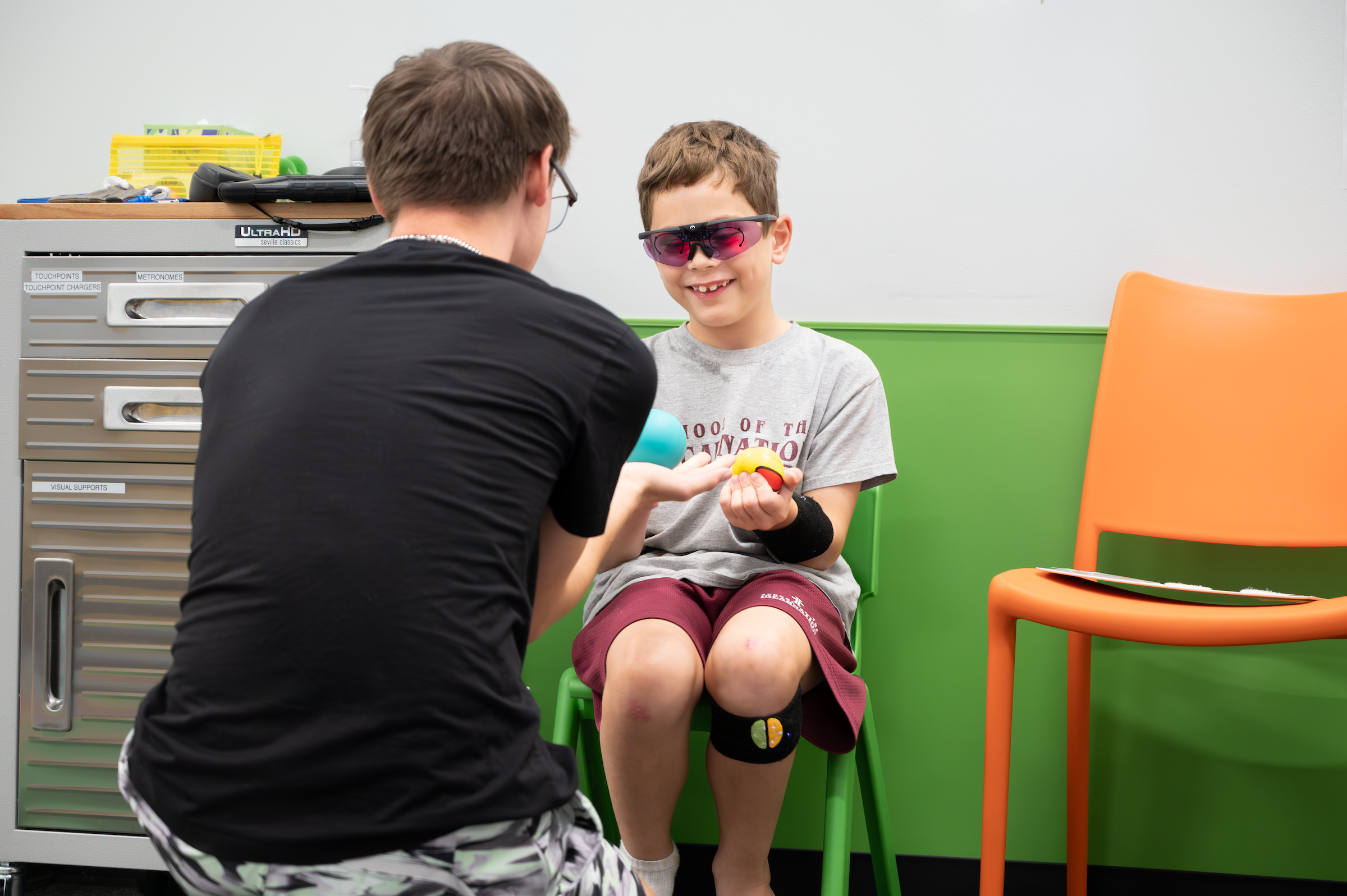
The Brain Balance program uses personalized activities designed to address each child’s individual needs. As children practice skills related to areas such as coordination, sensory processing, focus, and executive function, families can also learn ways to reinforce those skills outside of the program.
This can be especially helpful as the school year gets underway.
For example, movement-based activities can become part of a morning routine, homework breaks can provide opportunities to practice regulation and focus, and everyday tasks like brushing teeth or putting away toys can reinforce coordination and other developing skills.
The goal isn't to add another long list of things to your family's already busy schedule. Instead, it's about finding practical ways to incorporate what your child is learning into the routines you already have.
Building Movement into Daily Routine
Physical activity isn't just about getting energy out. Movement can support brain function, coordination, attention, and regulation, making it a useful tool throughout the school day and at home.
Families can incorporate movement in simple ways:
- Start the morning with stretching, yoga, or a short walk.
- Take movement breaks during homework.
- Try coordination-based games such as tossing a ball or performing cross-body movements.
- Encourage outdoor play after school.
- Turn on music and have a family dance break.
- Incorporate activities practiced through the Brain Balance program into your home routine.
The key is to make movement manageable and enjoyable. Even short, consistent activities can become meaningful parts of a child's routine.
Nutrition Is Another Piece of the Puzzle
What children eat can also play an important role in supporting their developing brains and bodies. During a busy school year, families may find themselves relying on convenience foods, rushed breakfasts, or repetitive meals, especially when they're trying to accommodate a picky eater.
That's why nutrition is an integral part of the Brain Balance program.
Nutrition as Part of the Brain Balance Holistic Approach
The Balance 360 Nutrition System is Brain Balance's nutritional plan and an important component of each student's program. It is designed to support each child's progress by nourishing the brain and body while helping families identify and remove foods that may be contributing to behavior or focus challenges.
Importantly, Balance 360 is designed to be self-guided with support from Brain Balance Nutrition Coaches, giving parents practical guidance they can continue using at home.
And it doesn't require families to figure everything out on their own.
Nutrition appointments take place virtually, allowing parents to connect with Nutrition Coaches from the comfort of home or the office. The step-by-step approach can also be customized around a child's individual needs, lifestyle, and preferences, including for families navigating picky eating.
Families Learn Skills They Can Use Every Day
Through the Balance 360 Nutrition System, parents learn practical skills that can extend well beyond the program, including:
- New ways to shop for nutritious foods
- Cooking skills and techniques
- Hundreds of nutritious and kid-friendly recipes
- Strategies for navigating picky eating
- Ways to build a nutrition routine that works for their family
This practical, hands-on guidance can be particularly valuable during the back-to-school season, when families are looking for sustainable ways to support their child's energy, focus, and overall well-being.
A Back-to-School Routine That Supports the Whole Child
The transition into a new school year doesn't have to mean trying to solve every challenge at once. Start small. Choose one or two strategies that feel realistic for your family and build from there.
With the right guidance, the skills children practice through Brain Balance can become part of their everyday routines, not just something they do during a program session.
From personalized brain-building activities to the Balance 360 Nutrition System and support from Brain Balance's team of professionals, families have access to tools designed to help make these strategies practical and transferable to home life. Call our center at (410) 844-4596 for more information, our team is happy to support your family’s success as the new school year begins.