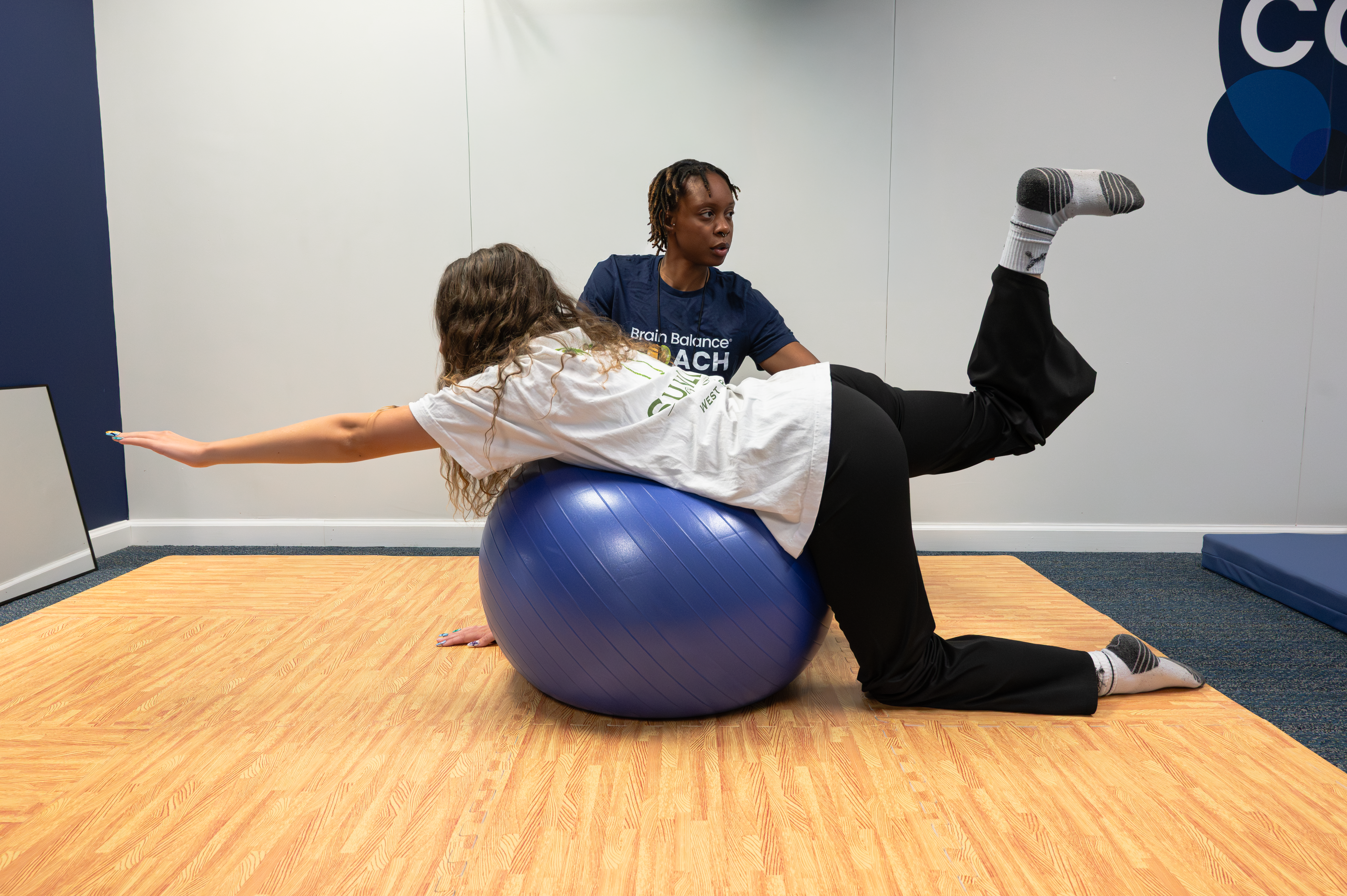
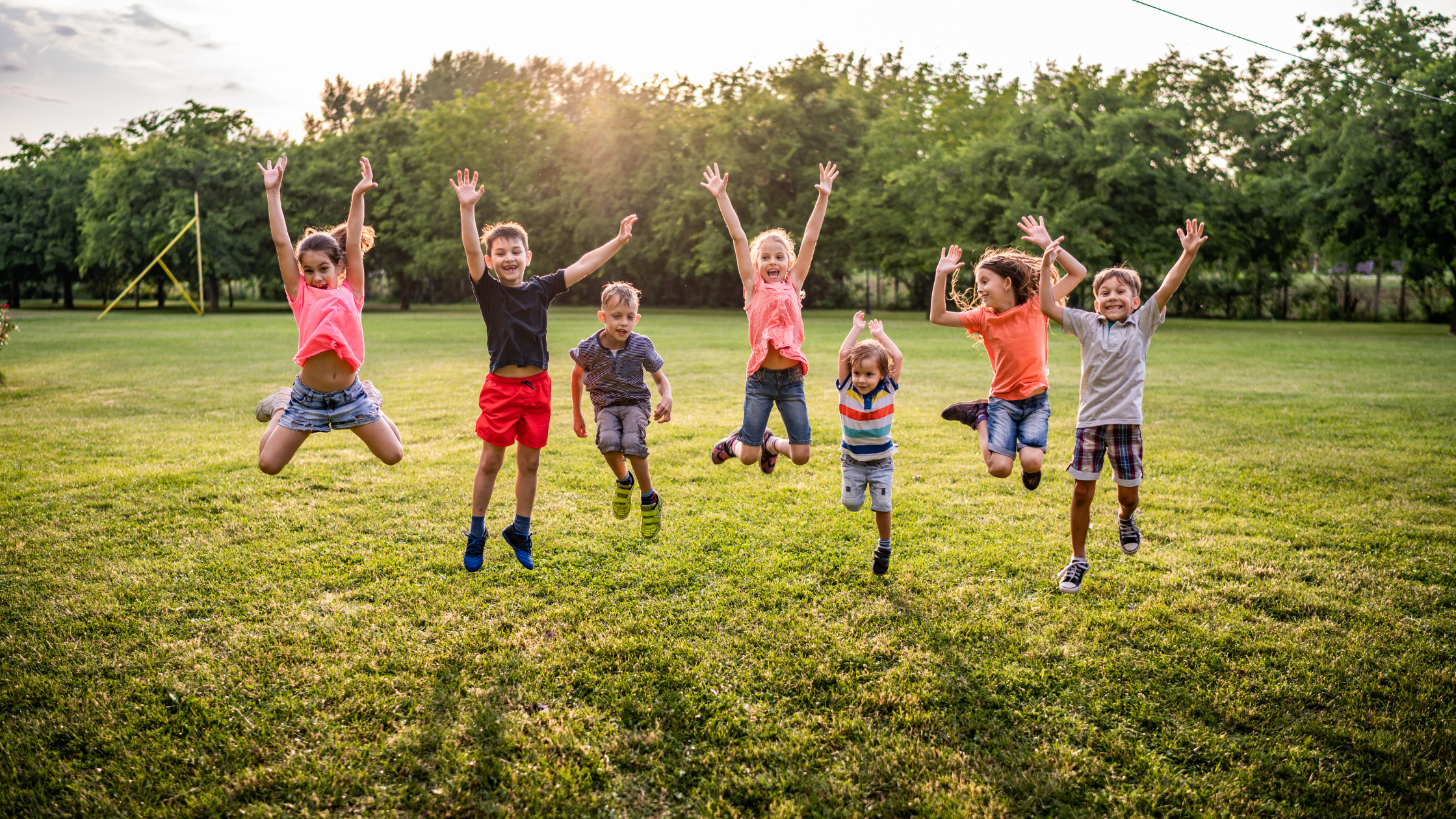
In today's digital world, screens are woven into nearly every aspect of childhood. From educational apps and virtual classrooms to video games and streaming services, technology can be a helpful tool and source of entertainment. However, when screen time begins to replace movement, outdoor play, and face-to-face interaction, children's physical, cognitive, and emotional development can be affected.
This is especially important for children with ADHD, autism, learning differences, and other forms of neurodivergence. While some forms of technology can provide meaningful support, these children also benefit tremendously from opportunities to move their bodies, engage their senses, and explore their environments.
The good news? Encouraging physical activity doesn't have to become a daily battle. Rather than framing movement as a punishment or screen time as the enemy, parents can create environments that naturally make active play the more appealing choice.
Why Movement Matters for the Developing Brain
Physical activity is about much more than burning energy.
Movement supports the development of attention, executive functioning, emotional regulation, memory, and learning. During exercise, the brain releases chemicals such as brain-derived neurotrophic factor (BDNF), dopamine, serotonin, and norepinephrine, which play important roles in mood, motivation, focus, and the formation of new neural connections (1,2).
Research has consistently found that children who engage in regular physical activity often demonstrate improvements in attention, academic performance, behavior, and overall mental health (3). For neurodivergent children, movement can also help regulate sensory systems, reduce anxiety, improve body awareness, and support self-regulation.
Instead of Saying "Turn It Off," Invite Them Into Something Better
One of the most effective ways to reduce screen time is not by focusing on what children need to stop doing, but by making physical activity engaging, accessible, and enjoyable.
Children are far more likely to leave a screen when they're being invited into an activity that sparks curiosity, connection, or fun.
Instead of saying:
"You've been on your tablet long enough."
Try saying:
- "Want to race me to the mailbox?"
- "Let's see how many basketball shots we can make in two minutes."
- "Can you help me walk the dog?"
- "I found a trail I've never explored before."
- "Let's build an obstacle course together."
Children are naturally motivated by novelty, connection, and play.
Follow Your Child's Interests
Not every child enjoys organized sports, and that's perfectly okay. Movement can look different for every child.
Some children might gravitate to:
- Hiking or nature walks
- Swimming
- Martial arts
- Dance
- Yoga
- Trampoline play
- Bike riding
- Rock climbing
- Playground adventures
Others may enjoy activities connected to their special interests.
For example:
- A child who loves animals may enjoy nature walks or horseback riding.
- A child fascinated by construction may enjoy carrying materials while building backyard forts.
- A child who loves superheroes may create "training missions" around the neighborhood.
When movement aligns with a child's interests, participation often becomes much more natural.
Build Movement Into Everyday Life
Physical activity doesn't have to mean an hour-long workout. Small bursts of movement throughout the day can provide meaningful benefits.
Try incorporating movement into everyday routines by:
- Walking to nearby parks, restaurants or favorite locations.
- Having dance breaks between homework assignments.
- Stretching before dinner.
- Scheduling family evening walks.
- Playing active games while waiting for dinner to cook.
Research suggests that even short periods of physical activity can improve attention and cognitive performance throughout the day (3).
Make Movement Social
Children are more likely to participate in physical activity when the adults around them are involved.
Rather than asking children to "go outside and play," consider joining them. Family bike rides, playing catch, gardening together… These experiences strengthen relationships while helping children associate movement with positive emotions rather than obligation.
Parents often underestimate how powerful their own modeling can be. Children are more likely to adopt healthy habits when they regularly observe trusted adults engaging in them (4).
Create an Environment That Encourages Activity
Children often choose what's easiest.
If the television is always on or tablets are within reach, screens naturally become the default activity. Instead, consider creating spaces that invite movement:
- Leave sidewalk chalk by the front door.
- Keep balls, jump ropes, bubbles, or scooters easily accessible.
- Set up a simple obstacle course in the backyard.
- Rotate toys to keep outdoor play feeling fresh.
Sometimes the environment itself becomes an invitation to play and engage.
Screen Time Isn't the Enemy
Technology is an important part of modern life, and many children use screens to learn, socialize, or pursue their interests. For some neurodivergent children, screens can even provide predictability, opportunities for creativity, or access to supportive communities.
The goal isn't to eliminate screens. Instead, it's to ensure that children also experience the countless developmental benefits that come from moving their bodies, playing outdoors, and interacting with the physical world.
The American Academy of Pediatrics encourages families to create healthy media habits that prioritize sleep, movement, family interaction, and other enriching activities alongside screen use (4).
Small Changes Create Lifelong Habits
You don't need to eliminate screens overnight to make a meaningful difference.
Adding just a little more movement into your child's daily routine can support healthier brain development, stronger executive functioning, improved emotional regulation, better sleep, and increased confidence over time.
By focusing on connection instead of control, and curiosity instead of conflict, parents can help children build healthy relationships with both technology and physical activity.
The goal isn't perfection; it's balance.
References
1. Ratey, J. J., & Hagerman, E. (2008). Spark: The Revolutionary New Science of Exercise and the Brain. Little, Brown and Company.
2. Diamond, A. (2015). Effects of physical exercise on executive functions: Going beyond simply moving to moving with thought. Annals of Sports Medicine and Research, 2(1).
3. Centers for Disease Control and Prevention. (2024). Physical Activity Facts.
4. American Academy of Pediatrics. (2023). Family Media Plan.