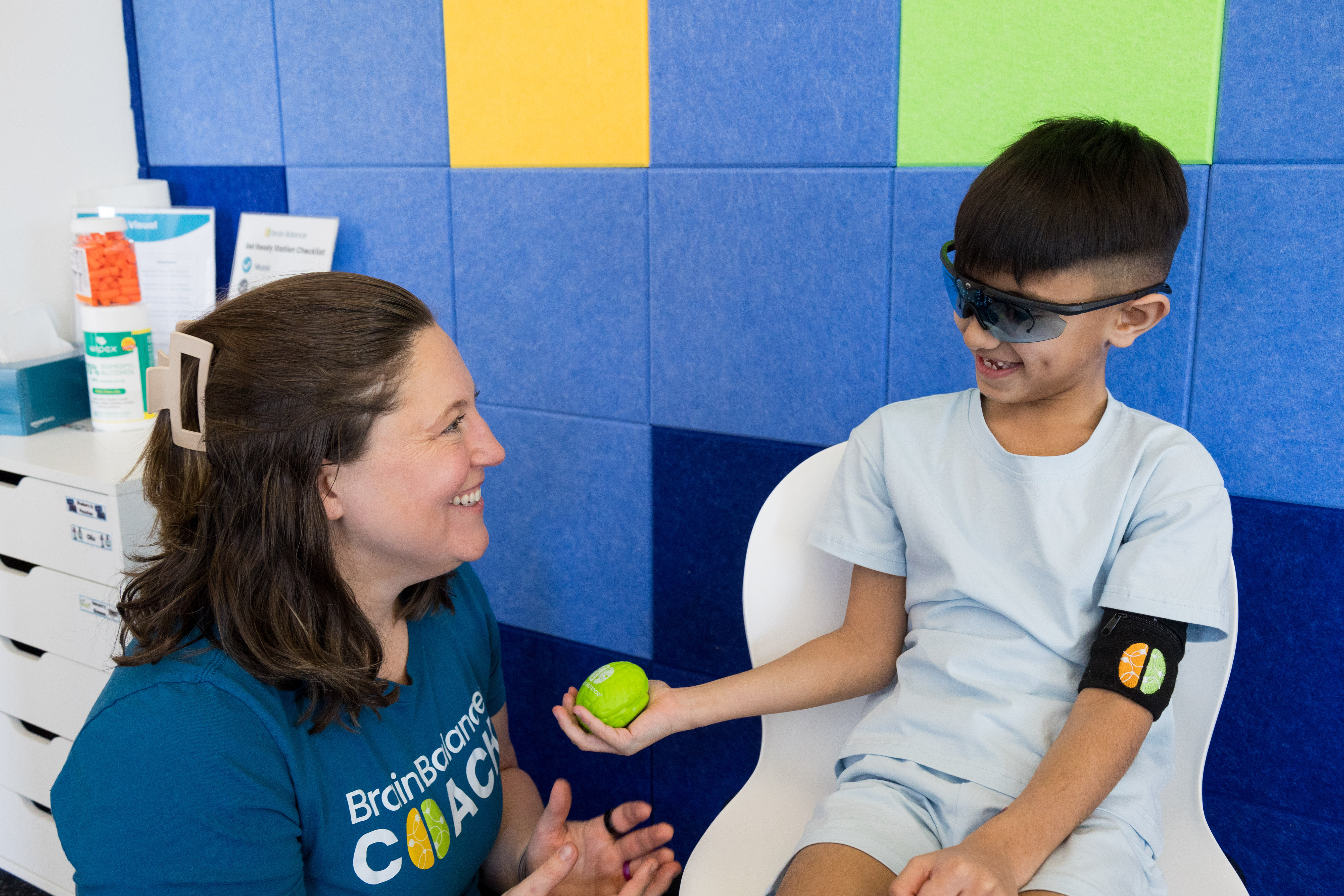
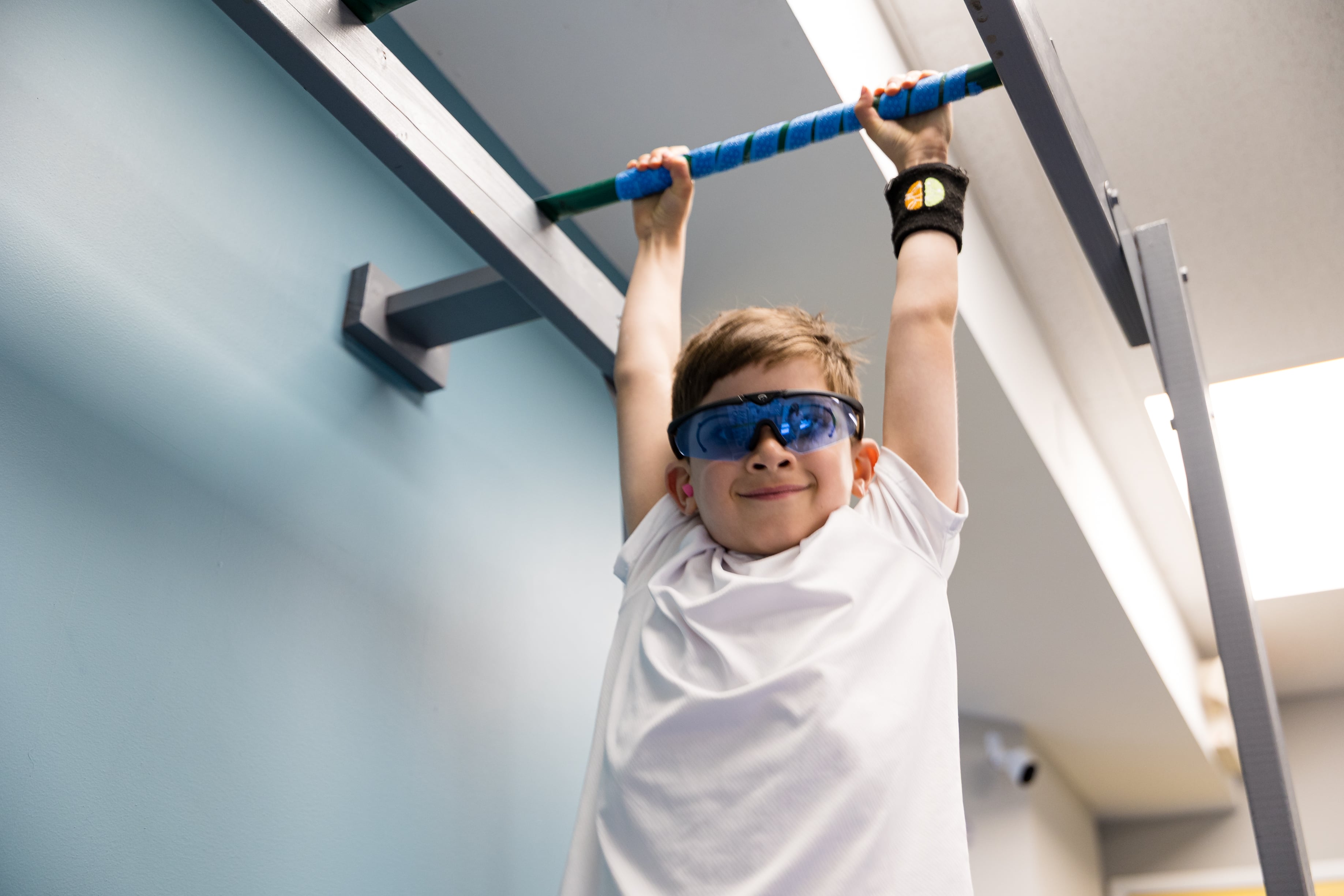
Practical, brain-based tips to help kids stay calm, regulated, and confident during the busy holiday season.
The holiday season brings excitement, joy, and cherished family traditions—but for many children, it also brings a wave of challenges. Loud gatherings, unpredictable schedules, rich foods, new social environments, and disrupted routines can quickly overwhelm a child whose brain already works hard to stay regulated. Kids who struggle with attention, big emotions, sensory processing, or social engagement often feel these seasonal stressors more intensely, and parents may notice more meltdowns, withdrawal, or dysregulation than usual.
The good news? With the right preparation and tools, the holidays can feel calmer, smoother, and more enjoyable for your child and your entire family. This guide offers practical, parent-tested strategies that support brain regulation, protect routines, reduce sensory overload, and help your child navigate busy holiday moments with greater confidence.
Below, you’ll find ten simple, brain-based tips designed to help your child feel safe, supported, and ready to enjoy the season.
Prepare for Sensory Overload
TIP:
Before any holiday event, prepare your child by discussing what they might encounter. This could include bright lights, loud music, or unfamiliar environments.
WHY IT WORKS:
This helps your child mentally brace for the event and reduces the shock of unexpected sensory stimuli. Bring noise-canceling headphones or sunglasses to help them handle overwhelming situations.
Keep Routines Consistent
TIP:
Even amidst holiday excitement, stick to your child’s regular routine as much as possible, including meal times, quiet breaks, and bedtimes.
WHY IT WORKS:
Children who struggle with emotional regulation often rely on predictable routines to feel safe. Maintaining these routines can reduce anxiety and prevent meltdowns.
Create a Safe Space for Breaks
TIP:
Set up a quiet retreat space at home or during events where your child can go to unwind if they become overwhelmed. Include comforting items like blankets or sensory toys.
WHY IT WORKS:
Giving your child a safe space to calm down can help them self-regulate and return to activities when they feel more settled.
Limit Screentime to 1 Hour Per Day
TIP:
During the holiday break, it can be tempting to allow unlimited screentime, but it’s recommended to keep it to a maximum of 1 hour per day.
WHY IT WORKS:
Excessive screentime can increase sensory overload and emotional dysregulation. Limiting screens gives children more time to engage in activities that support well-being, like exercise, creative play, or reading.
Incorporate 15 Minutes of Exercise Per Day
TIP:
Encourage at least 15 minutes of physical activity each day to help your child release energy and improve focus and mood.
WHY IT WORKS:
Physical activity is crucial for children, especially those who struggle with focus or emotional regulation. It provides a healthy outlet for energy, reduces stress, and improves overall well-being.
Exercise Ideas:
- Obstacle Course: Use pillows, chairs, and other household items
to create a simple obstacle course that challenges your child’s
coordination and balance.
- Jump Rope: A quick and fun way to get in some cardio. It’s also a
portable activity that can be used during holiday gatherings.
- Animal Walks: Have your child crawl like a bear, hop like a bunny, or
slither like a snake. These movements engage both large and small
muscle groups and are easy to do indoors.
- Dance Party: Play your child’s favorite holiday songs and let them
dance around the living room. This is a great way to burn energy and
have fun together.
- Yoga: Simple yoga poses like the butterfly, tree, or downward dog can
be calming and help with body awareness.
- Family Relay Races: Get out in the yard or a local park and complete
relay races, getting the whole family involved.
Set Realistic Expectations for Socializing
TIP:
Avoid forcing your child to participate in social activities if they aren’t ready. Allow them to observe or ease into social situations at their own pace.
WHY IT WORKS:
Children who struggle with social interactions may become overwhelmed by too many demands. Letting them warm up gradually reduces pressure and supports confidence.
Simplify Gift-Giving
TIP:
Focus on sensory-friendly gifts that align with your child’s needs, such as fidget toys, sensory kits, or calming devices like weighted blankets.
WHY IT WORKS:
Choosing gifts that support your child’s sensory preferences can help them feel calm and regulated, minimizing stress over new or unfamiliar items.
Create a Sensory Kit for Holiday Gatherings
TIP:
Sensory triggers can arise unexpectedly, so having a calm-down kit ready can prevent meltdowns during holiday events.
WHY IT WORKS:
By staying ahead of known sensory triggers, you can help your child regulate their response to overwhelming situations.
Items to Include:
- Weighted blanket
- Sensory body sock
- Chewelry (chewing jewelry)
- Noise-canceling headphones or earplugs
- Sunglasses
- Comfort items (favorite toy or blanket)
- Fidget toys
- Snow globe (visual calming tool)
- Lavender essential oil
- Bubbles or jump rope
- Healthy snacks & water
This kit can be a lifesaver during family gatherings, shopping trips, or busy events.
Practice Breathing and Calming Techniques
TIP:
Incorporate simple breathing exercises or calming techniques into your child’s routine, especially before stressful events.
WHY IT WORKS:
Deep breathing and mindfulness can help regulate emotions and keep your child calm in overwhelming environments.
Be Flexible With Holiday Plans
TIP:
Be open to adjusting your holiday plans if something becomes too overwhelming for your child.
WHY IT WORKS:
Flexibility shows your child that their feelings matter. Prioritizing emotional well-being helps reduce holiday stress for the whole family.
For a downloadable version of this holiday support guide, click here!
Helping Your Child Thrive Through the Holidays and Beyond
The holiday season often shines a spotlight on the areas where children struggle—emotional regulation, sensory processing, focus and attention, or social confidence. If your child seems more overwhelmed or reactive than their peers, it may indicate that their brain is working harder than it should to handle everyday demands.
These tips can make holiday moments smoother, but long-term progress often requires strengthening the underlying brain connections that support behavior, learning, and emotional control. That’s where Brain Balance comes in.
Our program is designed to help children build the developmental foundation they need to thrive—at home, in school, socially, and emotionally. Many families share that the holiday season was the moment they realized their child needed more than coping strategies—they needed a personalized plan for lasting growth.
This holiday season is an ideal time to begin the Brain Balance Program.
Starting now gives your child the opportunity to enter the new year with improved focus, greater emotional regulation, and renewed confidence.
Give your child the gift of a stronger start to the new year. Contact us today to schedule an assessment. You can also view the research and results of the program on the website