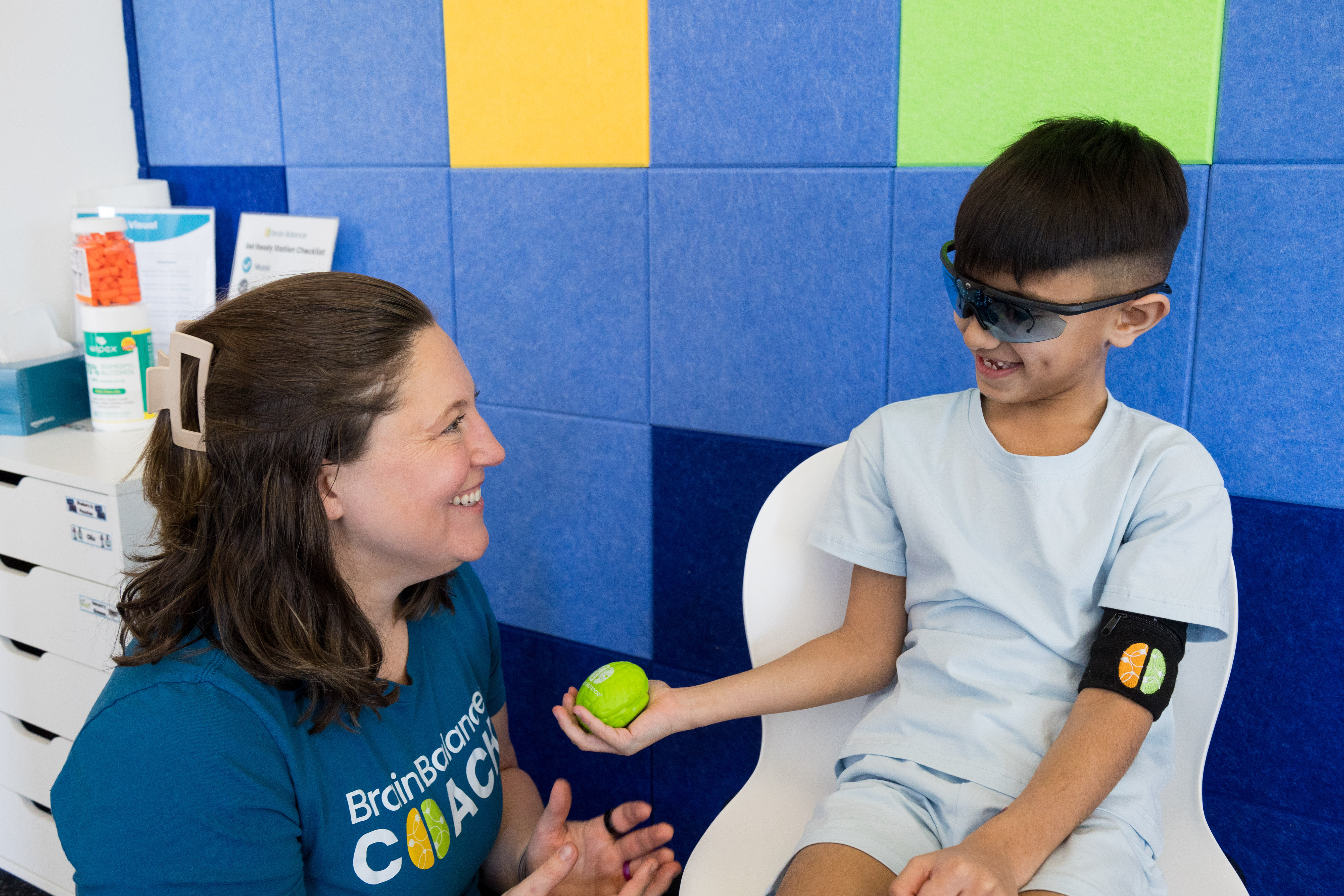
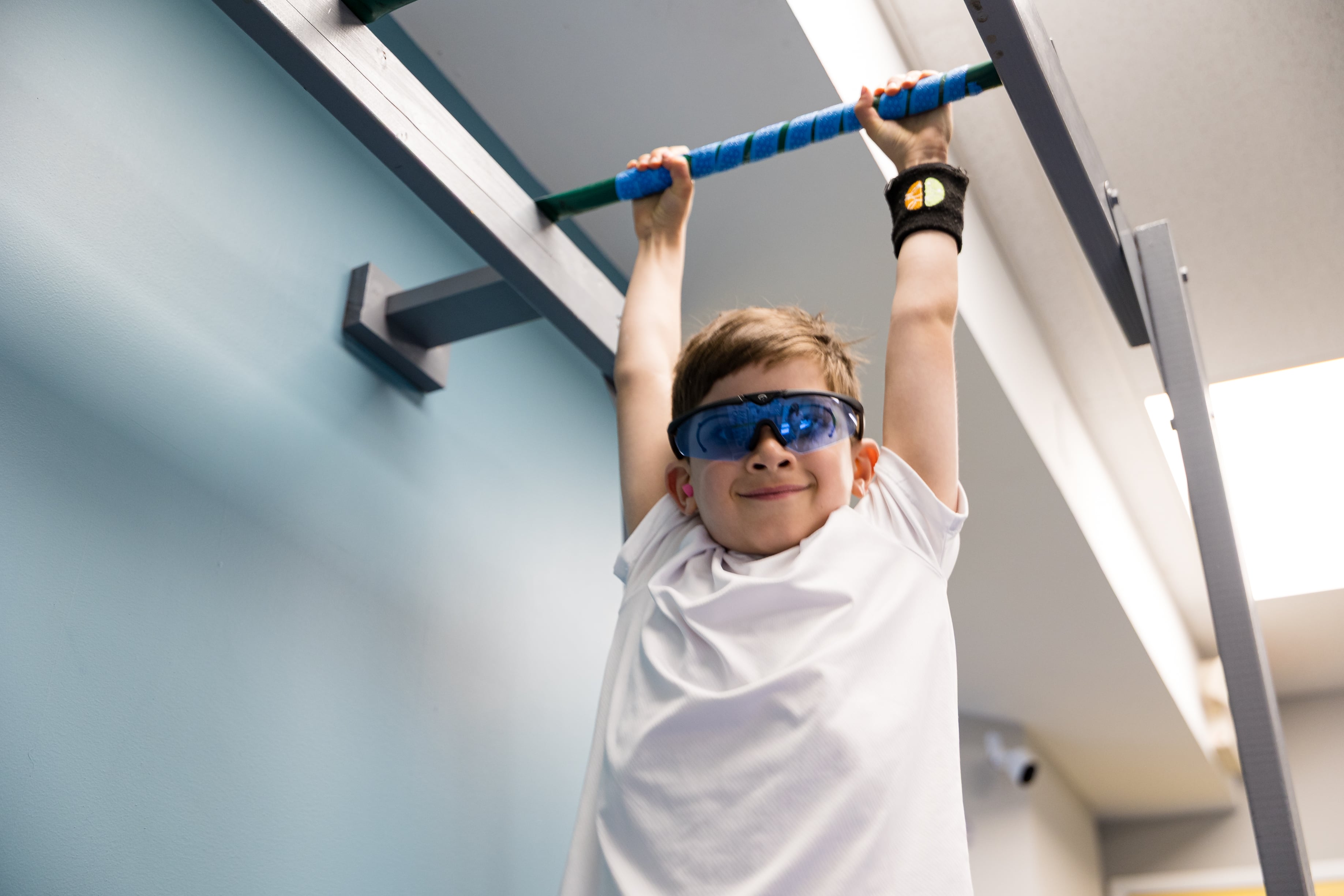
Practicing gratitude and positive thinking on a daily basis throughout the year can change your brain and your life! The same area of the brain that controls emotions and behavior also controls higher-order thinking skills like focus and attention. A person's ability to analyze information can greatly benefit from keeping the brain happy through positive thinking and gratitude.
A negative mindset often leads to more negativity, but thinking more positively about a situation or circumstance leads to feelings of gratitude. Gratitude can then result in more creative thinking, increased mental productivity, and a wider attention span.
Positive vs. Negative Thinking
The nature of thoughts, whether they be positive or negative, is a reflection of positive or negative habits. If you are constantly thinking negatively about situations and feeling negative emotions, you will likely get more of the same due to the way the brain handles such feelings. When a person is under stress negatively, energy is actually drawn away from the prefrontal cortex which is the distribution hub for mind/brain functions. This can result in reduced processing.
For example, if you constantly think or say "I am tired," you will feel tired. If a student thinks, "I am terrible at math" and feels a negative emotion associated with this thought, they will be more likely to do poorly at math. On the flip side, positive mantras like "I am confident" or "I am grateful," will activate the prefrontal cortex and result in more confident behavior and better performance overall, attracting more things for which to be grateful.
What the Science Says
Scientists conducted a study in 2008 to measure the brain activity of people thinking and feeling gratitude. What they found was "that gratitude causes synchronized activation in multiple brain regions, and lights up parts of the brain’s reward pathways and the hypothalamus. In short, gratitude can boost neurotransmitter serotonin and activate the brain stem to produce dopamine." Dopamine is our brain's pleasure chemical. The more we think positive, grateful thoughts, the healthier and happier we feel.
Thanks to the flexibility or plasticity of the brain, positive thinking can become a way of life. When your brain is flushed with positive thoughts, you can expect to improve every area of your life, including your relationships, health, performance at school, reaching your dreams and goals, and more.
Ways to Practice Gratitude
Reprogramming the brain for a more positive outlook takes practice. Here are some family-friendly ways to practice gratitude that are perfect for kids who struggle behaviorally or who lack confidence:
- Write daily in a gratitude journal.
- Listen daily to positive affirmations.
- Practice meditation and stillness.
- Give gratitude to others. (i.e. "I am grateful for your help.")
Make it a habit to set aside a block of time each day to go over these gratitude practices with your child and soon you will see they become a positive way of life. With daily practice, pessimism can turn to optimism thanks to the neuroplasticity of the brain.
Gratitude is more than saying “thank you”—it’s a mindset that strengthens emotional regulation, resilience, and connection. When kids develop a habit of noticing the good around them, their brains learn to shift focus from stress to possibility. This simple practice helps calm the nervous system, improves mood, and builds empathy. Whether your child is in preschool or middle school, incorporating small moments of gratitude into daily routines can make a meaningful difference. Here are age-friendly prompts to help you start—and to make gratitude a natural part of your family rhythm.
Gratitude Prompts for Younger Kids (Ages 4–8)
(Keep them short, concrete, visual, and feelings-based.)
-
“What made you smile today?”
-
“Who was kind to you today?”
-
“What is your favorite thing about your day so far?”
-
“What is something in your house that you’re thankful for?”
-
“What is something your body did today that you’re proud of?”
-
“What is a color, sound, or smell you really liked today?”
-
“Who is someone you love, and why do you love them?”
-
“What’s one thing that made you feel cozy or safe today?”
-
“What is something in nature that you think is beautiful?”
-
“What is something you learned today that made you feel excited or curious?”
Gratitude Prompts for Older Kids & Teens (Ages 9–16)
(Encourage reflection, empowerment, and self-awareness.)
-
“What is one challenge today that taught you something valuable?”
-
“Who supported you this week, and how did it help?”
-
“What is something about yourself that you’re grateful for?”
-
“What is a place where you feel calm or grounded?”
-
“What is a small win you had today?”
-
“What is something in your life you sometimes take for granted but appreciate?”
-
“What is a mistake you made recently that helped you grow?”
-
“Who inspires you, and why?”
-
“What is one thing you’re looking forward to that makes you feel thankful?”
-
“What’s a tradition, routine, or experience your family does that you appreciate?”
For over a decade, we’ve helped over 60,000 children improve the critical skills needed to create a brighter path for their future. Contact us online or call 800-877-5500 to learn more about how the Brain Balance Program can help. You can also view the current and ongoing research behind the program.