Moving Beyond Awareness
We have all heard the word Autism, whether through family, friends, or coworkers who know someone diagnosed with Autism Spectrum Disorder (ASD). In the United States, autism affects approximately 1 in 36 children and 1 in 45 adults.
The month of April is often focused on awareness and education for those who may not know much about autism. While awareness helps people recognize what autism is, it often stops there. It can miss an important part, that autism is something individuals live with every single day.
Awareness matters, but it should lead to something deeper: acceptance, inclusion, and meaningful action.
Understanding Autism
Autism Spectrum Disorder is a neurodevelopmental condition that affects how people communicate, interact, and experience the world around them. The word spectrum is important because it reflects how different each autistic person is. Some individuals may need more support, while others live very independently, but every experience is valid.
Autistic individuals may have strong, focused interests, different ways of communicating, or sensitivities to sound, light, or changes in routine. These are not simply challenges, they are differences in how someone experiences and responds to the world. Understanding this helps shift the mindset from “fixing” someone to respecting who they are.
Awareness vs. Acceptance
There is a real difference between awareness and acceptance. Awareness is simply knowing that autism exists. Acceptance means actively valuing, respecting, and including autistic individuals in everyday life.
Without acceptance, awareness does not change much. Someone might recognize autism but still overlook the needs of a person who is overwhelmed by noise, struggling with communication, or navigating social situations differently.
Acceptance shows up in small but meaningful ways. It might look like lowering noise levels, being flexible in how we communicate, or giving someone the space they need to feel comfortable. These actions create an environment where people are not just seen, but supported.
Inclusion in Everyday Life
Inclusion does not always require big changes. Often, it is the small, thoughtful adjustments that make the biggest difference. In schools, this can mean creating learning environments that support different styles of thinking and communication. In workplaces, it might involve offering flexibility, clear expectations, or quieter spaces. In everyday community spaces, inclusion can be as simple as being patient, understanding, and open to differences.
When people feel included, they are more likely to feel safe, valued, and able to be themselves. That sense of belonging matters.
Appreciation of Autistic Individuals
Acceptance is not only about support, it is also about appreciation. Autistic individuals bring unique strengths, perspectives, and ways of thinking that enrich communities, workplaces, and relationships. Qualities like creativity, attention to detail, honesty, and deep focus are often overlooked when the conversation focuses only on challenges.
Appreciation means recognizing these strengths without turning them into stereotypes or inspiration stories. It is about genuine respect.
One well-known example is Dr. Temple Grandin, whose work in animal science transformed livestock handling practices and brought greater awareness to both animal welfare and autism. Her contributions are just one example of how different ways of thinking can lead to meaningful impact.
Taking Action
Moving from awareness to action starts with everyday choices. It means continuing to learn, listening to autistic voices, and being open to adjusting how we interact with others. It also means being patient, asking respectful questions when appropriate, and understanding that everyone’s needs are different.
No one gets it perfect every time, and that is okay. What matters is the willingness to try, to learn, and to do better.
A Year-Round Commitment
Autism acceptance does not end when April is over. It is something that should be carried into everyday life. While it is easy to get caught up in routines and responsibilities, small moments of understanding and inclusion can make a lasting difference.
For many autistic individuals, the challenges they face are constant. Our efforts to create a more inclusive and accepting world should be just as consistent.
How Can Brain Balance Help?
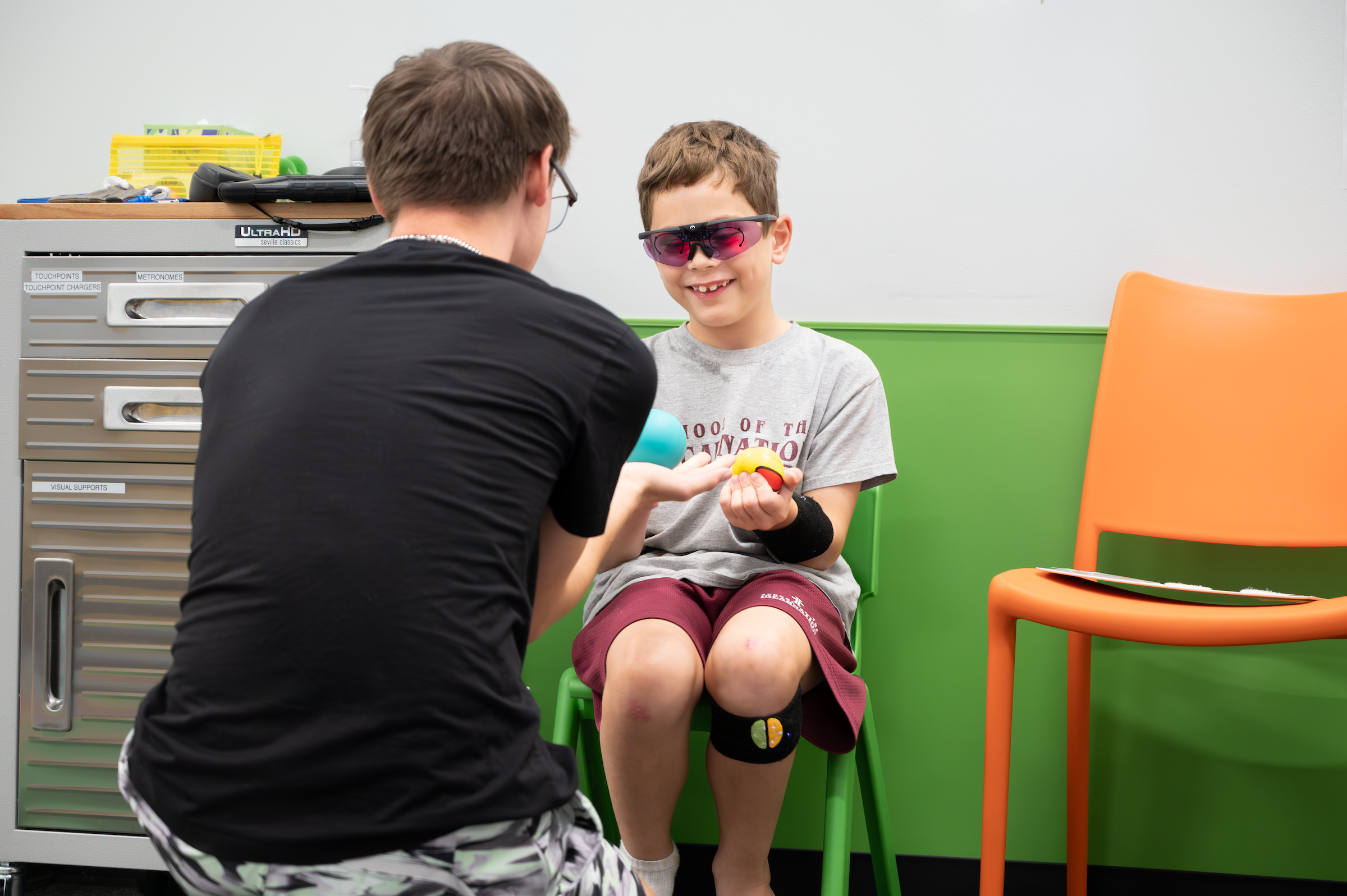
If you or your child has been navigating an Autism Spectrum Disorder diagnosis, you’re not alone—and there is a path forward. Our uniquely designed program uses a combination of physical, sensory, and cognitive activities to help strengthen skills and support the development of new connections.
We start with a comprehensive assessment to establish a clear baseline, then create a personalized plan tailored to your child’s specific needs and goals.
Ready to take the next step? Reach out today to learn more and get started.
|